

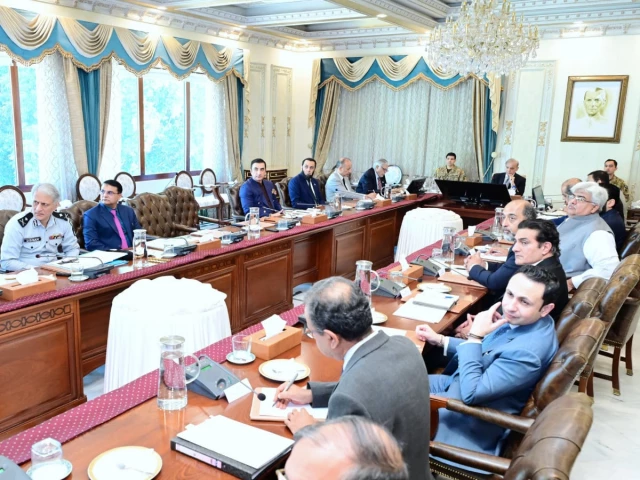
ISLAMABAD: Pakistan’s aviation infrastructure is set for a major transformation as Prime Minister Shehbaz Sharif has approved expansion plans for Jinnah International Airport, Karachi, and Allama Iqbal International Airport, Lahore, under their respective master plans.
The decision, announced following a high-level meeting chaired by the Prime Minister in Islamabad on October 29, aims to enhance airport capacity, upgrade passenger facilities and bring operational standards in line with international requirements.
Directing the authorities to complete the projects within निर्धारित timelines, the Prime Minister emphasised that passenger convenience must remain the foremost consideration, with no compromise on construction quality. He also called for the involvement of internationally renowned institutions to improve airport management, service delivery and passenger experience, supported by independent third-party assessments.
The expansion of Karachi and Lahore airports is particularly significant given their importance as Pakistan’s principal international gateways. Growing passenger traffic, increasing airline operations and rising demand for efficient air connectivity have made modern infrastructure essential for the country’s aviation and tourism sectors.
Karachi’s Jinnah International Airport, the country’s busiest aviation gateway, is already witnessing major infrastructure developments. The Pakistan Airports Authority (PAA) previously announced a Rs100 billion expansion programme, featuring a proposed new terminal building, a modern air cargo village and other supporting facilities to accommodate future passenger and freight demand.
The Prime Minister was informed that runway expansion work at Karachi airport had been completed. The proposed air cargo village is expected to strengthen Karachi’s potential as an important regional air freight and logistics hub.
Allama Iqbal International Airport, Lahore, is also included in the newly approved expansion initiative. Its master plan is intended to improve passenger-handling capacity and modernise facilities to support increasing domestic and international travel requirements.
Beyond these two major gateways, the government is pursuing wider improvements across the national airport network. Officials informed the meeting that the Civil Aviation Authority had restored domestic flight operations at 14 airports during the past year.
Additional immigration counters and personnel have been deployed by the Federal Investigation Agency, while automated border management systems, including e-gates, are being installed at major airports. A meet-and-greet service has also been introduced at Islamabad International Airport.
The meeting further reviewed plans to upgrade Hyderabad’s existing aviation institution into an international-standard aviation university, with work expected to begin by February 2028.
The Prime Minister stressed better staff training, improved inter-agency coordination and quality catering services as essential elements of airport modernisation.
The simultaneous development of Karachi and Lahore airports represents an important opportunity to strengthen Pakistan’s international connectivity, facilitate trade and tourism, and improve the country’s standing in the regional aviation industry.