
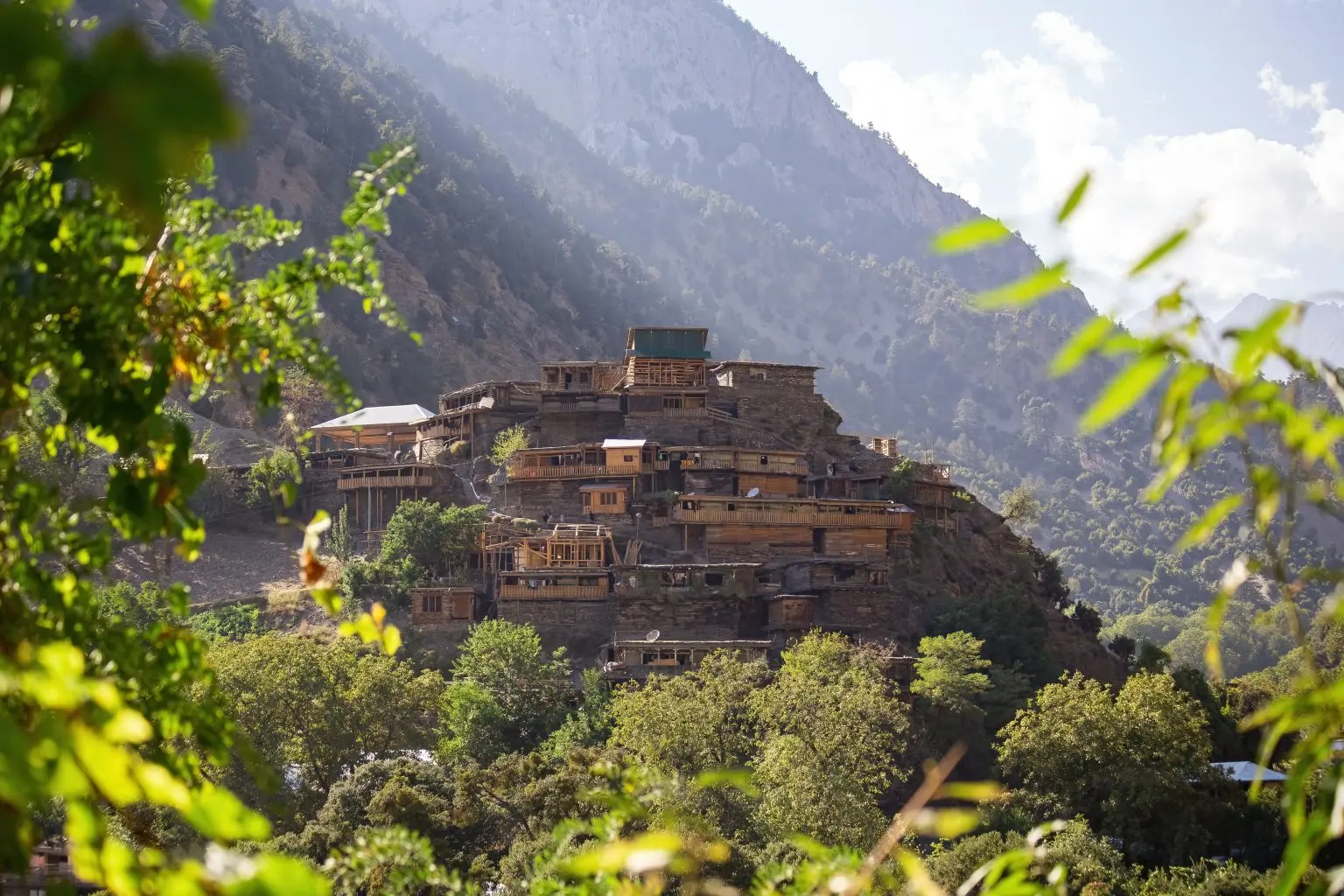
PESHAWAR: The Kalash Valleys of Khyber Pakhtunkhwa’s Chitral district have been inscribed on the United Nations Educational, Scientific and Cultural Organization (UNESCO) World Heritage Tentative List, marking a significant milestone in the preservation of Pakistan’s unique cultural heritage.
According to UNESCO, member states must first compile an inventory of significant natural and cultural sites—known as the Tentative List—before any nomination can be considered for inclusion in the World Heritage List. “It is an important step since the World Heritage Committee cannot consider a nomination unless the property has already been included on the State Party’s Tentative List,” the organisation states.
The initiative to secure this recognition was originally conceived by then Corps Commander Peshawar, Lt Gen (R) Sardar Hasan Azhar Hayat. Recognising the cultural and historical importance of the Kalash Valleys, he proposed their inclusion along with two other prominent sites—the Swat Buddhist Trail and the historic Khyber Pass. Later, in his capacity as Managing Director of Green Tourism Pvt. Ltd., he remained actively engaged, persistently advocating and pushing forward the process that ultimately led to this achievement.
Equally instrumental was the role of Khyber Pakhtunkhwa’s Director General of Archaeology and Museums, Dr. Abdul Samad, who spearheaded the technical and institutional efforts. From the outset, he worked diligently to prepare documentation, coordinate with relevant stakeholders, and navigate the procedural requirements of UNESCO, playing a pivotal role in securing the inclusion of the Kalash Valleys on the Tentative List.
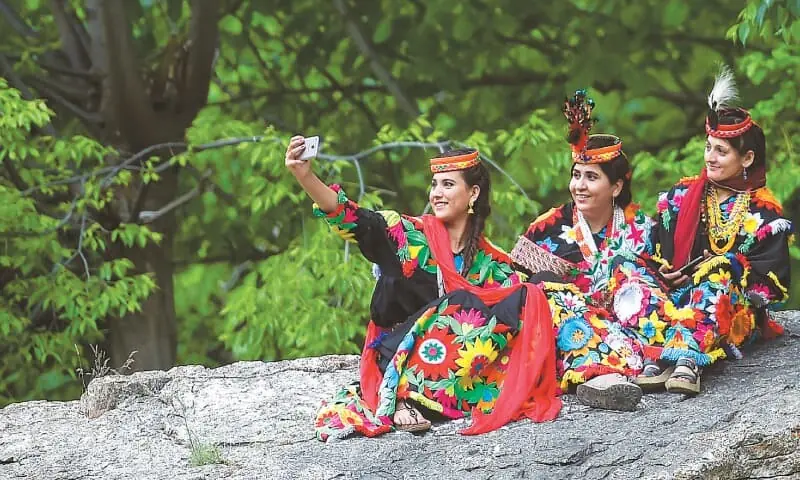
The Kalash Valleys—comprising the remote regions of Bumburate, Birir, and Ramboor—are home to over 4,000 indigenous people who practice a distinct polytheistic religion and maintain unique cultural traditions.
Dr. Abdul Samad termed the development a landmark achievement in safeguarding the Kalash cultural landscape. “For the first time, an entire living community along with its cultural practices has been included in UNESCO’s Tentative List,” he noted, adding that his department had been working towards this goal for over a decade.
He explained that the inclusion would help preserve both the tangible and intangible aspects of Kalash heritage while placing it firmly on the national and international cultural map. The next phase will involve submission of a comprehensive nomination dossier to UNESCO, including legal frameworks, conservation plans, and community development measures.
The listing is expected to pave the way for enhanced preservation efforts, sustainable tourism, and greater global recognition of one of Pakistan’s most distinctive cultural treasures.