
By:
Lt Gen (R) Sardar Hasan Azhar Hayat
MD Pakistan Land Port Authority
Ex. MD Green Tourism Pvt. Ltd
Out of my office routine, it’s not easy to pursue what you want to, but one can’t hold back passion. On a Sunday morning, I planned to visit Aziz Dheri in District Swabi and Rani Ghat in Buner—two iconic Buddhist sites, less visited compared to those in the Taxila region and Takht-i-Bahi in Mardan.
For those who have less knowledge of Buddhism, it is fascinating to know that primarily the Mahayana school of thought originated in what is Pakistan today, not India. To be synonymous with Islam for the sake of understanding, consider this was the time of Khilafat, like the Ashoka and Kushan period around 2 AD. Secondly, what I learnt is that Buddhists don’t believe in God but in enlightenment, so in search of that, they found secluded places of worship, mostly on heights and on the grand Buddhist trail, which links Lumbini in Nepal/India and passes through our northern areas, the famous petroglyphs of Chilas Valley, passing through Mansehra, Taxila, Kaldaka, Swat and then Buner, Swabi, Mardan, Charsadda, Peshawar, Khyber and going all the way to Bamyan. This is the easiest way to explain it as a layman.
While a lot of writing on Buddhism exists, the most authentic accounts are those in which Chinese travellers in the past have explained it. But post-5th AD, with the advent of other religions like Hinduism and later Islam, Buddhism went dormant and was lost in heritage and civilization, but not history. In the 19th century, when the British took charge and started exploring the Gandhara civilization, people like John Marshall and Cunningham took keen interest, and a lot of credit goes to them for the Archaeological Survey of India and for excavating the remains of this civilization. Pakistan proudly hosts this. My study interestingly says the Indus Civilization is in Pakistan today and not India, which they boast of, and also Gandhara, which is an amalgam of different time periods.
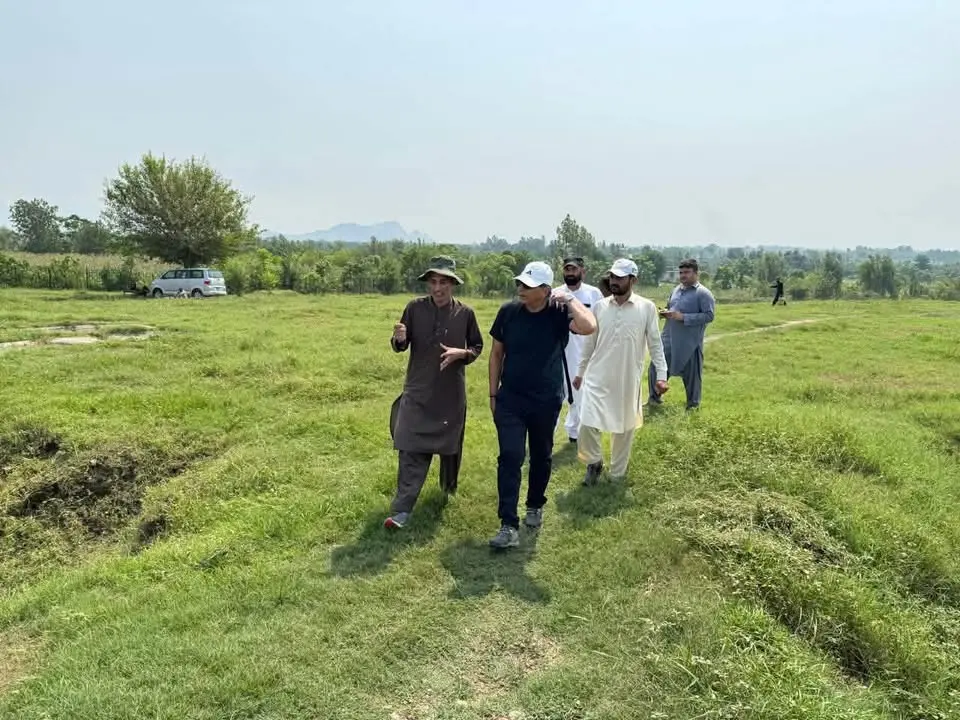
I keep exploring sites for my own knowledge and interest and for the sake of awareness—you can see my previous travelogues. It does not take much to travel to Aziz Dheri from either Islamabad or Peshawar. On the motorway, exit from Swabi Interchange, travel on Swabi-Mardan Road, which is now a dual carriageway, and there is a lot of commercialisation in the area. Turn from a given road and you can reach Aziz Dheri in two hours plus from Islamabad. Murphy’s Law: I did not use navigation and wanted to feel the area, while my guard, an ex-Army man and my old buddy, was with me. We messed up, landing on a katcha track in tobacco and corn fields, passing by a mountain range. After asking people who guided us for an extra 40 minutes, we reached Aziz Dheri. In the middle of a plain area, there was a big raised ground surrounded by a fence. A night earlier, I had contacted Dr. Samad, DG Archaeology and Museums, as we have travelled together at many places and I always learn from him. He was on a course but sent his assistant, whom I could recognise from my Peshawar days.
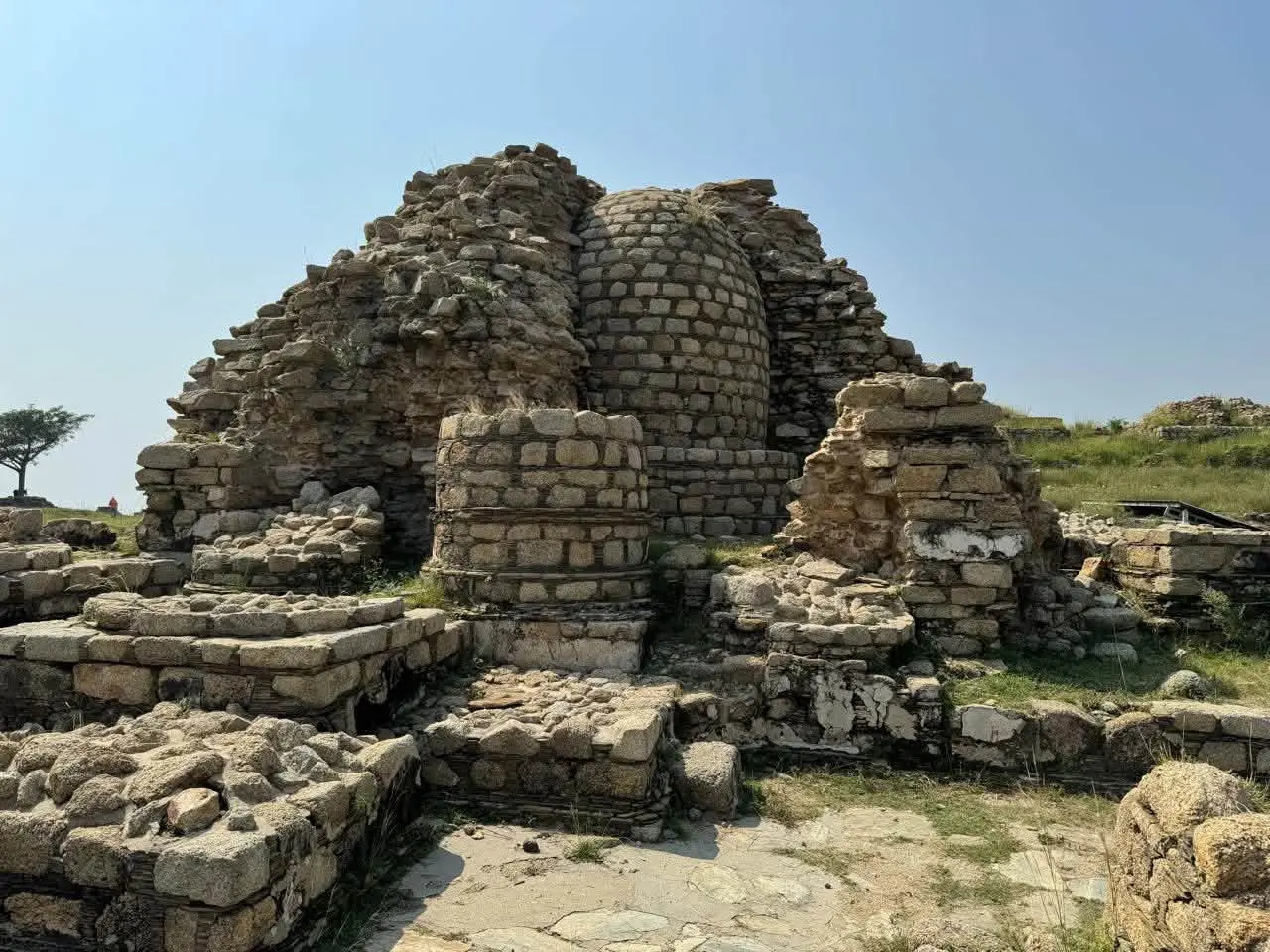
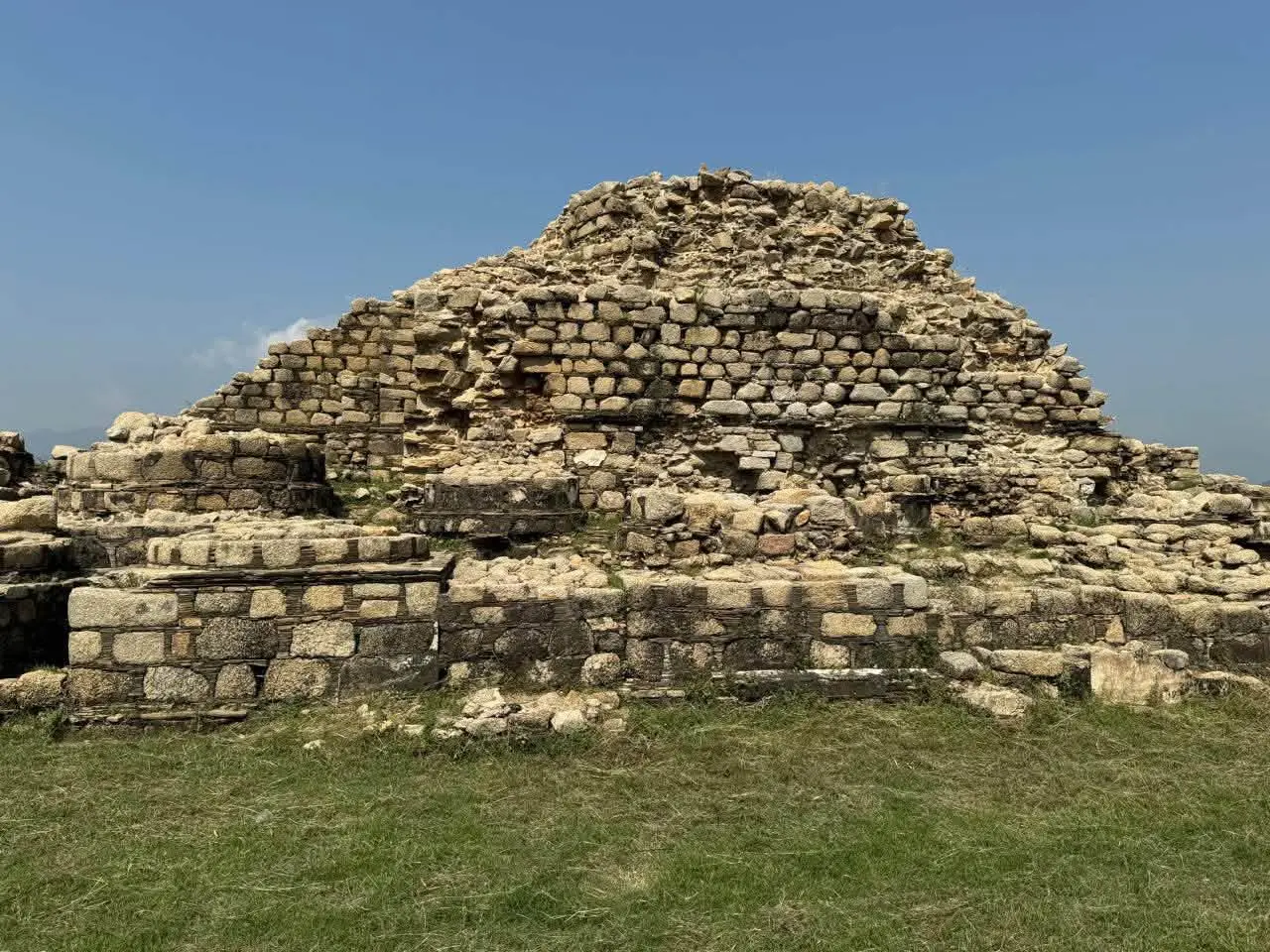
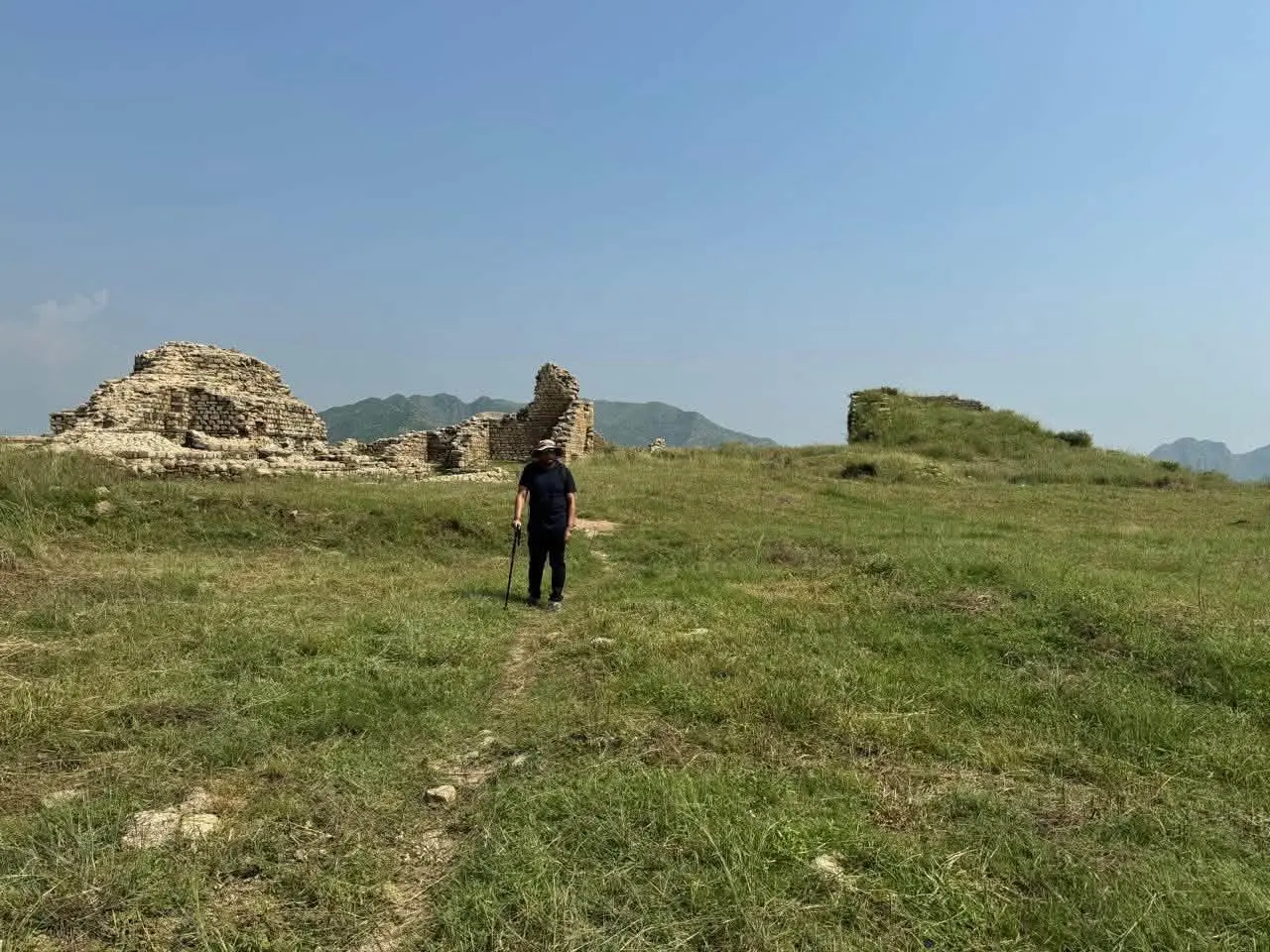
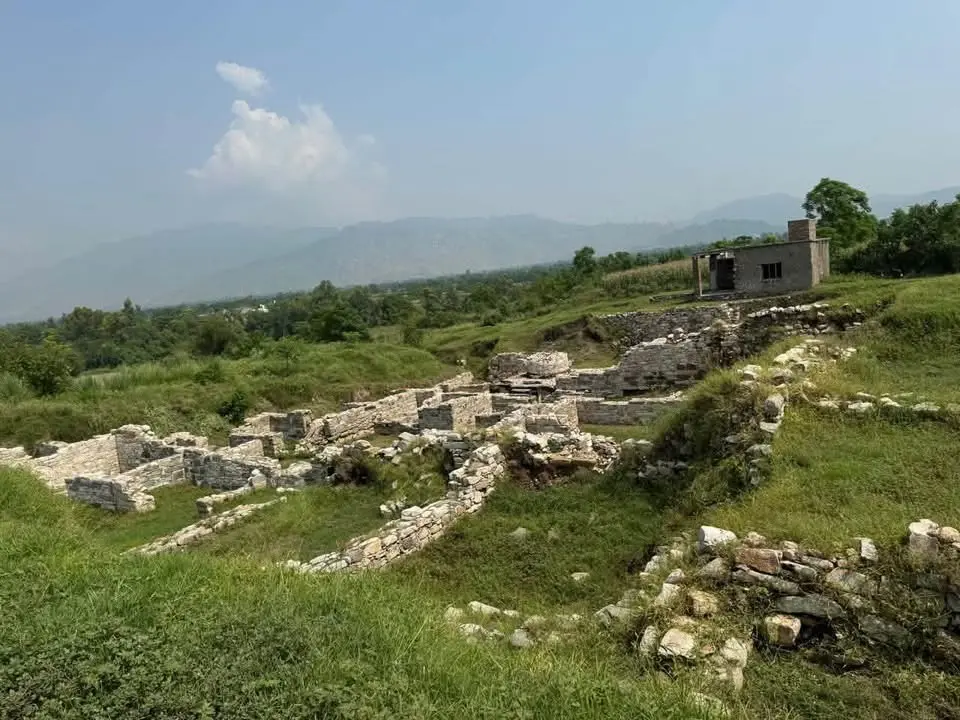
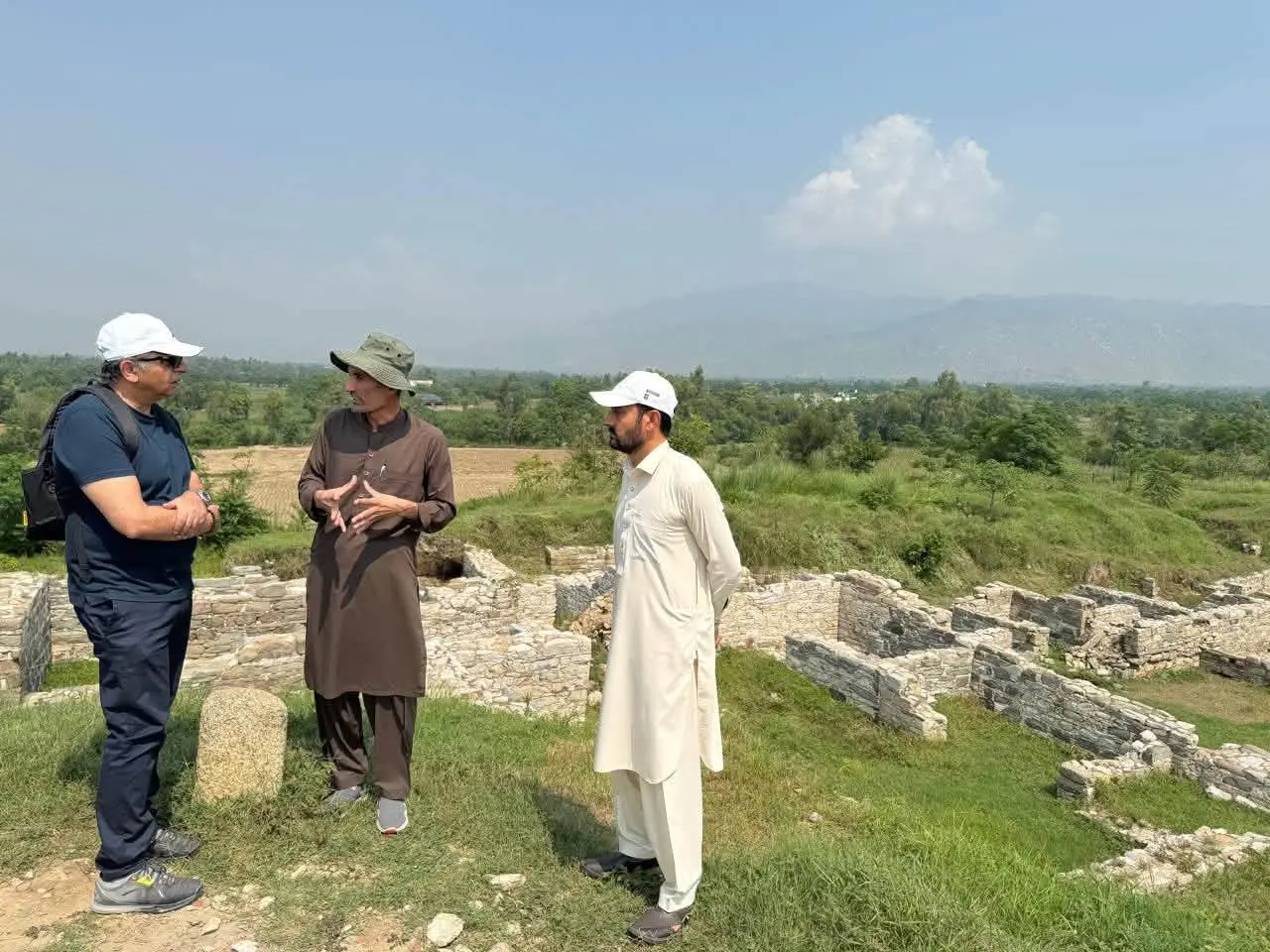
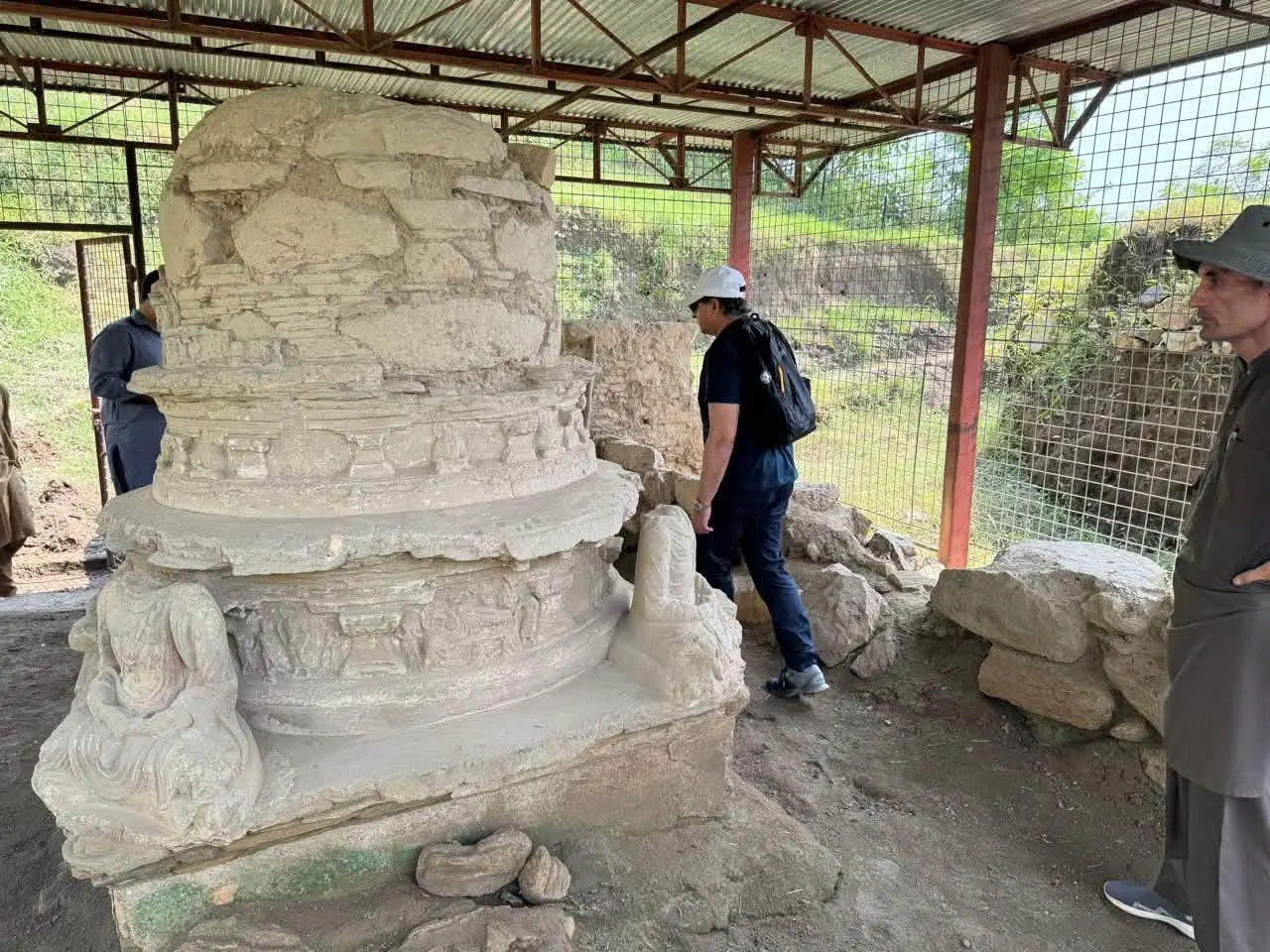
We parked our car at the entrance and were greeted by the host! Immediately, it struck my mind that the place is on dominating ground and you could see all around. This was discovered by Daya Ram Sahni in 1916. The site is named Aziz Dheri after a notable local figure, Aziz. The current excavation is from 2013 by Dr. Nazar Khan, but it is still not fully excavated. This is a very unique find. Like all sites, it is a sacred site, but this has a combination of sacred and secular, meaning a whole city dwelled next to it—a marketplace, assembly hall and living quarters, not only a stupa and monastery found elsewhere. It has one of the largest stupas here, but what fascinated me was that one main stupa is inside a house, so this is different; it is not a monastery. A lot has been stolen from here. Like villages all around, people initially dig for gold but find artefacts, and I believe now an underworld exists which knows the value of these artefacts. Gladly, now the government has started paying attention to it, but still, a buy-back programme is needed. Aziz Dheri looks like a pasture, lush green with four excavations, while much more can be found, but our priorities are different! This is a time-consuming process and needs money, and for some, at the end, what is found is stone buildings—but that’s what most of Europe is! As far as the timeline is concerned, it is from the 2nd century BC to the 11th century AD. From the place, I could make out that hardly anyone visits here and no marking exists, even on the motorway. The facilities are basic, so a commoner can finish the complete round in 15 minutes if not guided. This is the irony of our tourism.
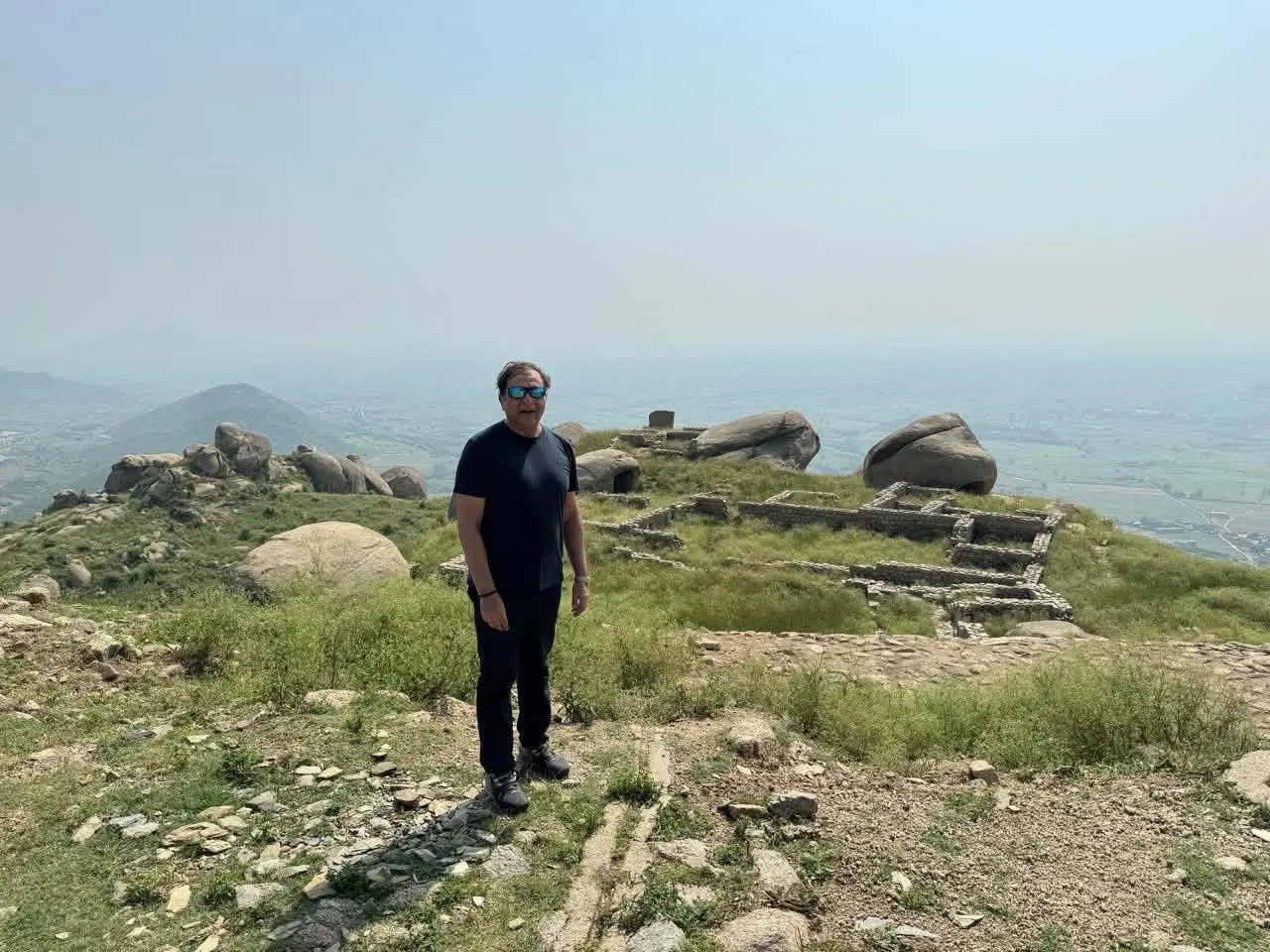
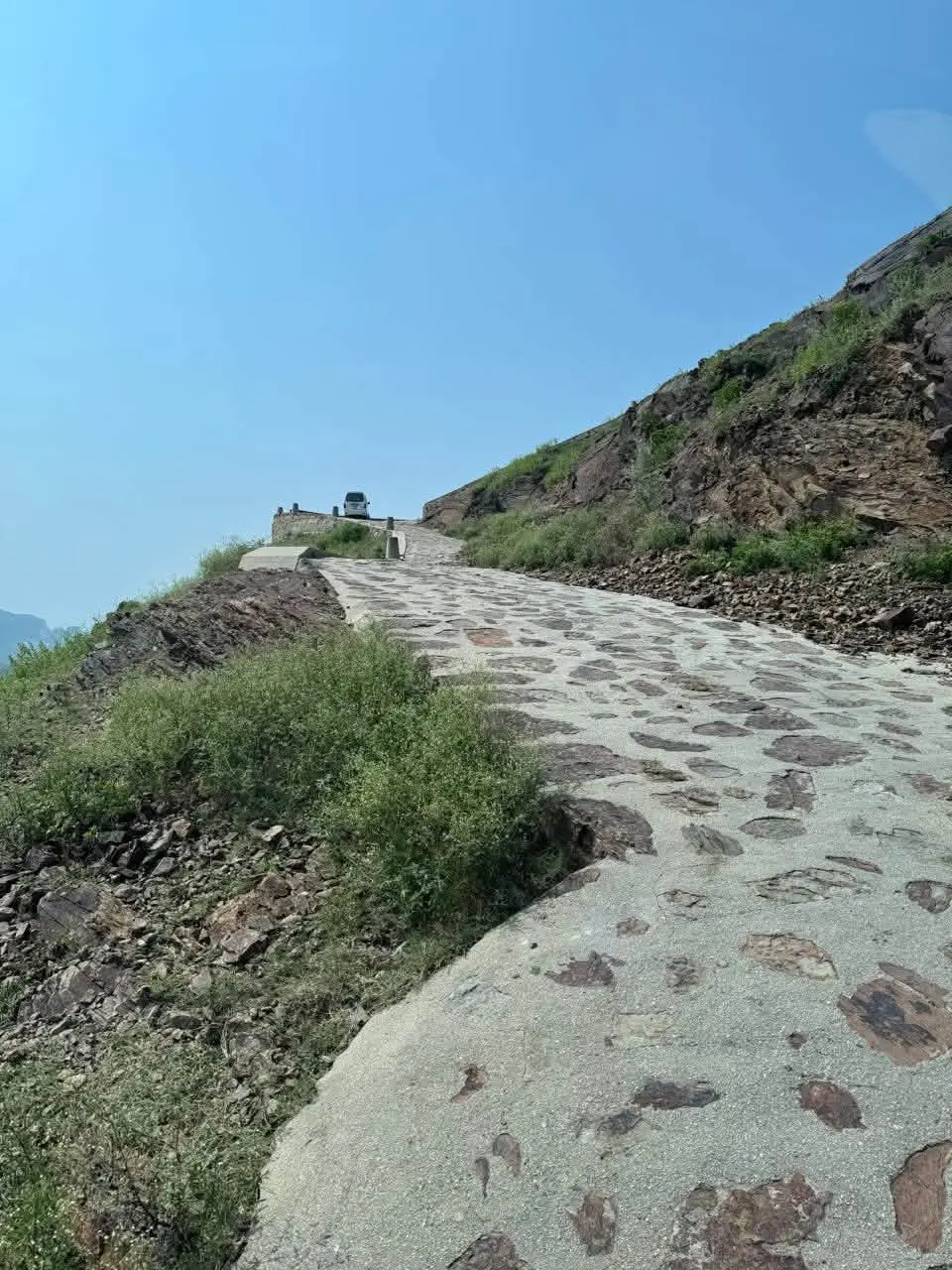
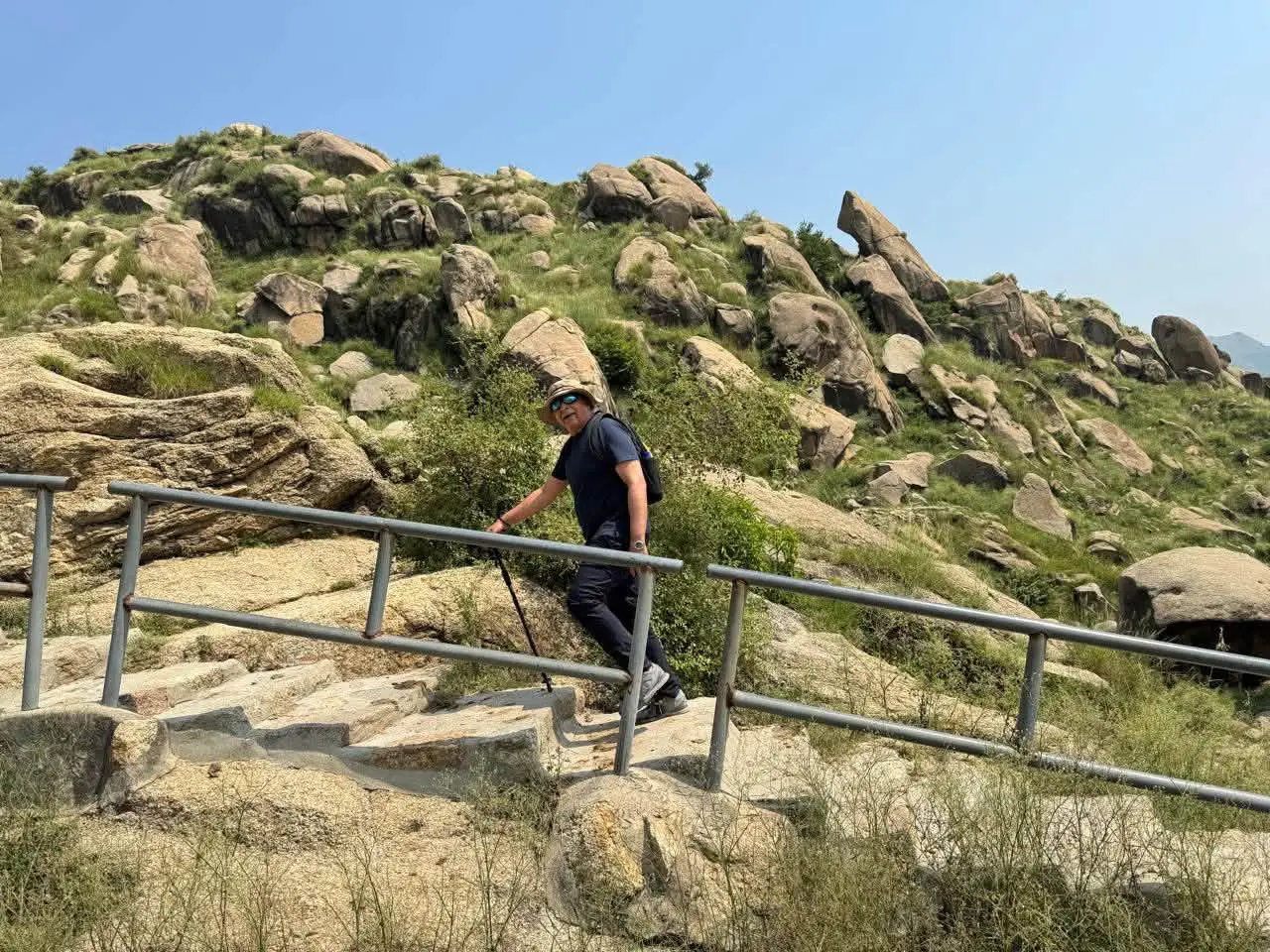
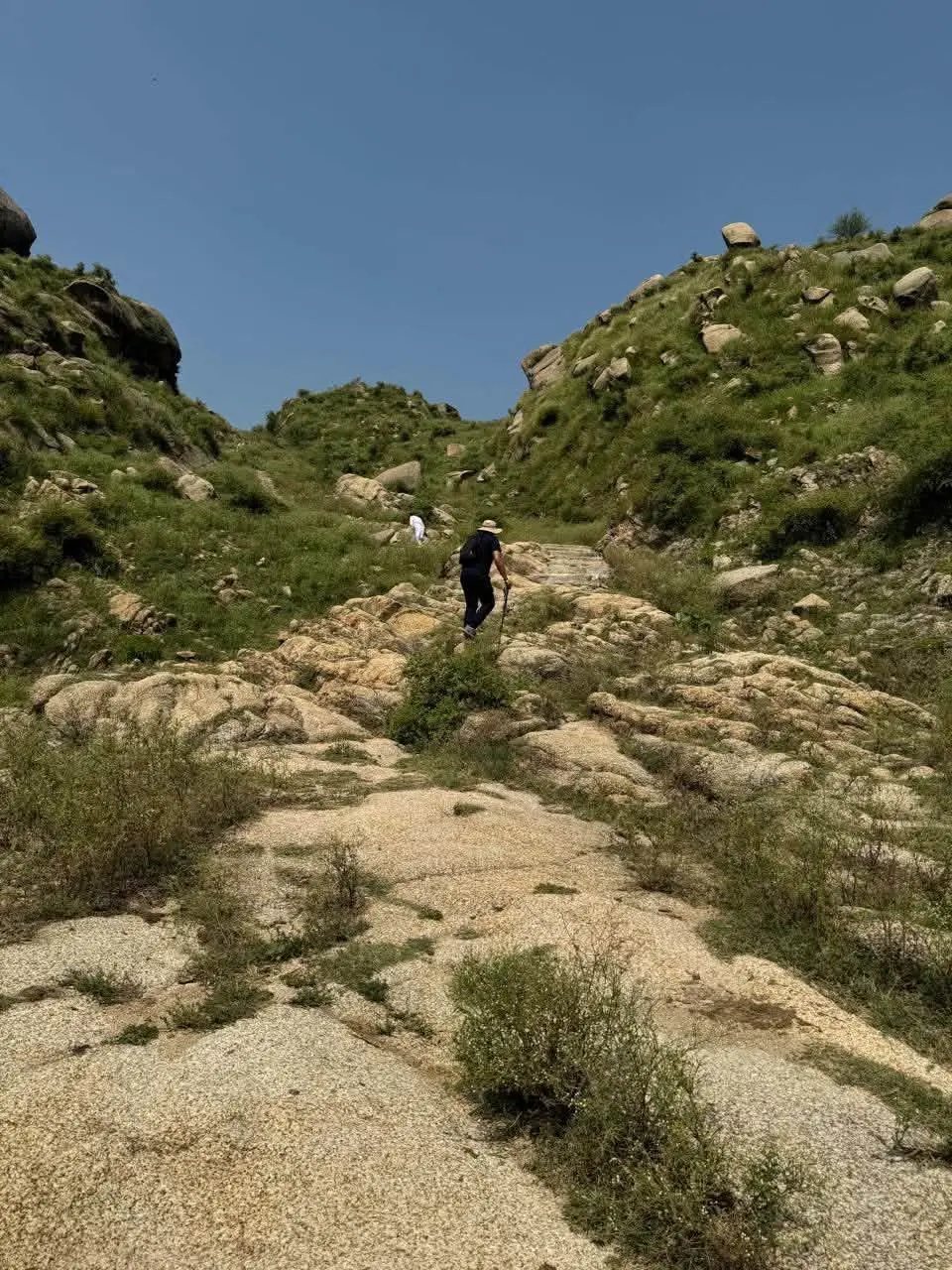
The weather was getting hot and it was almost midday. I wanted to go to Rani Ghat. Now we had a guide too, so we went on Mardan-Swabi Road and turned towards a mountain range commonly called Bagh, visible from Swabi at a distance. We approached the base of the mountain on a mud track. This is the first village of District Buner and, looking west, the mountains rise further. What you can’t miss seeing from a distance is a hanging rock on the skyline, which is prominent, called Rani Ghat. My guide kept telling me the climb is tough, but I was okay. We climbed for a good 30 minutes on the mountain, at a good relative height—stone stairs made by the Japanese sometime back. We were sweating badly, but I enjoyed it, as it’s always a joy to reach the top.
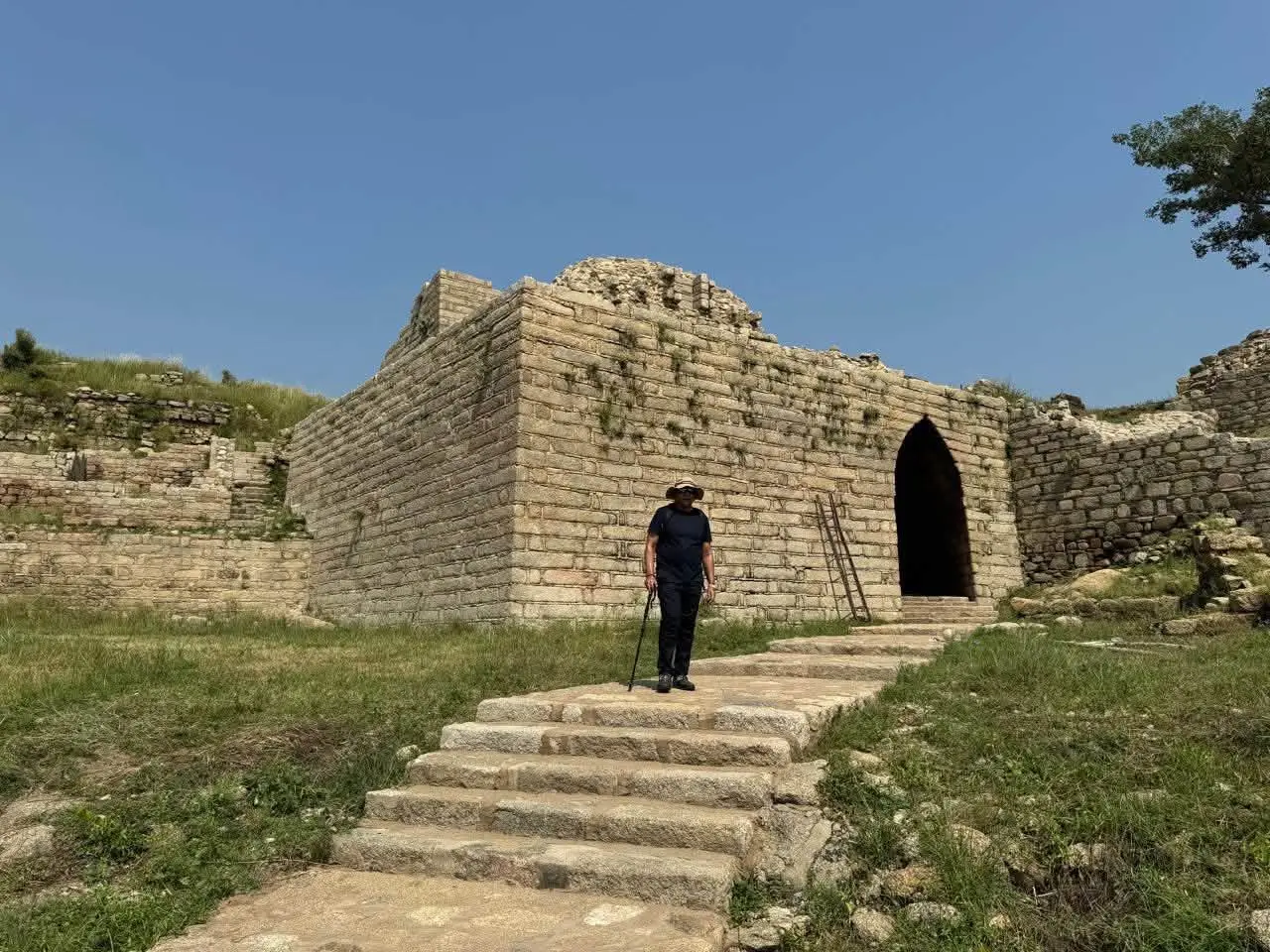
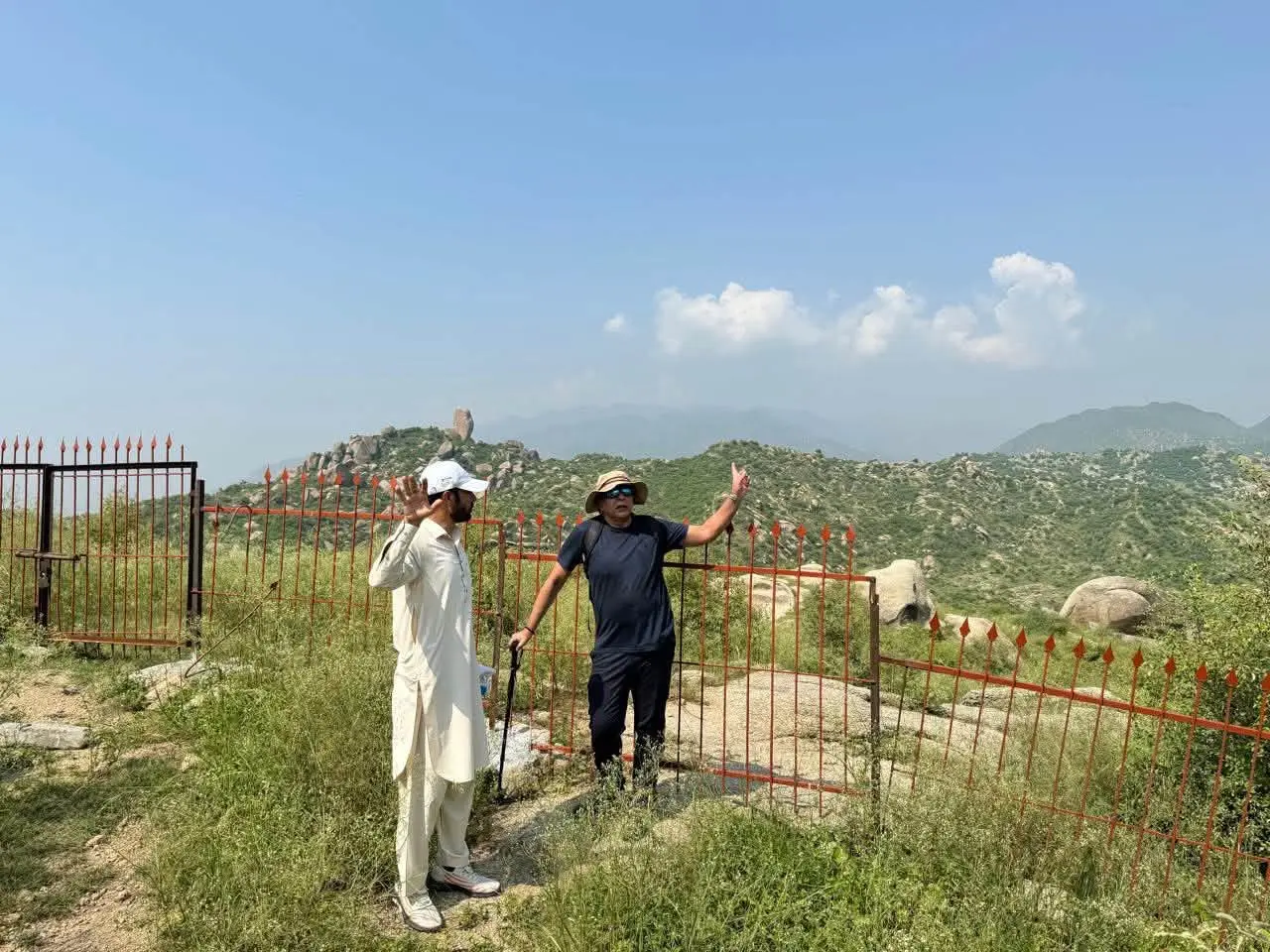
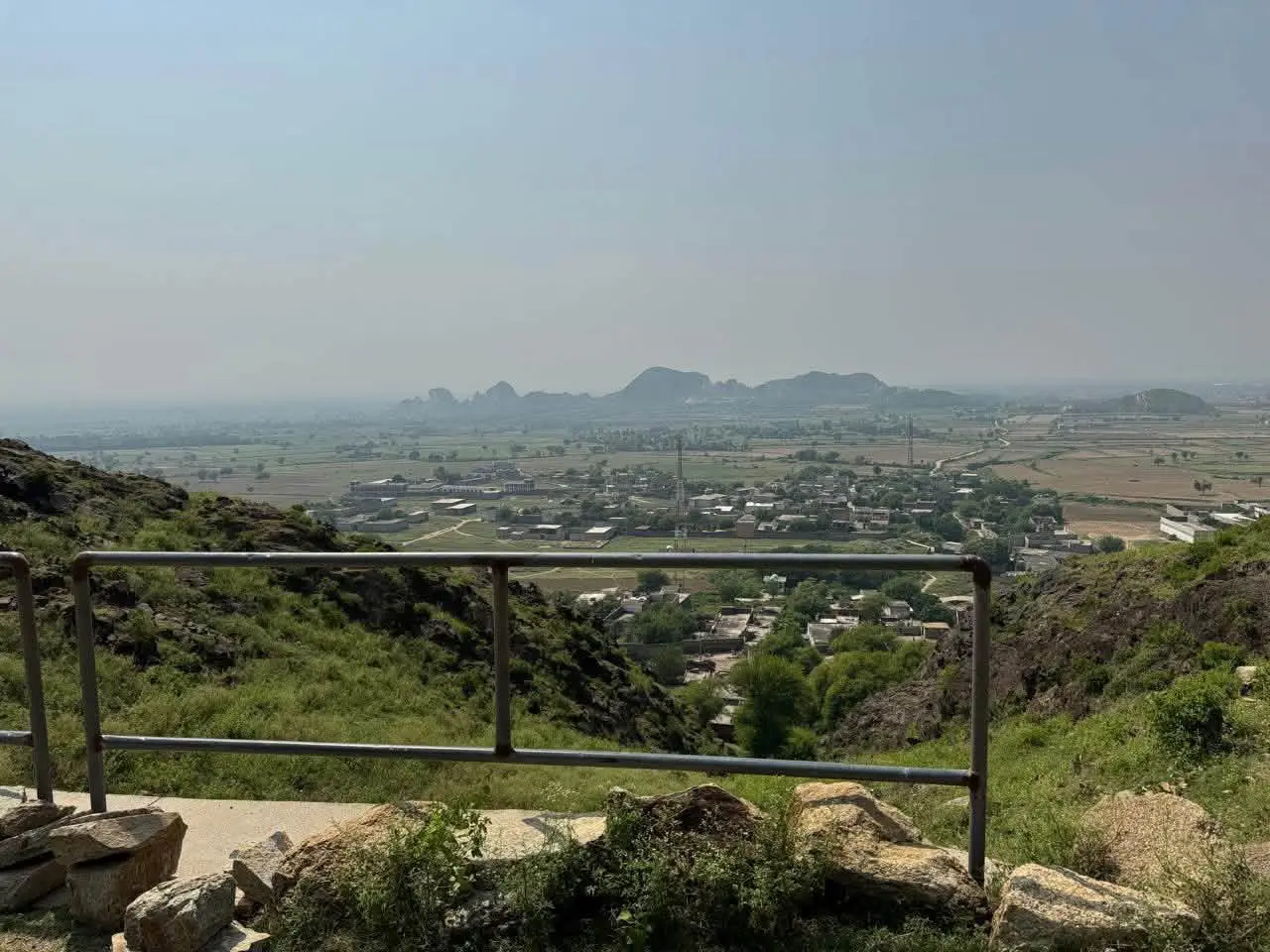
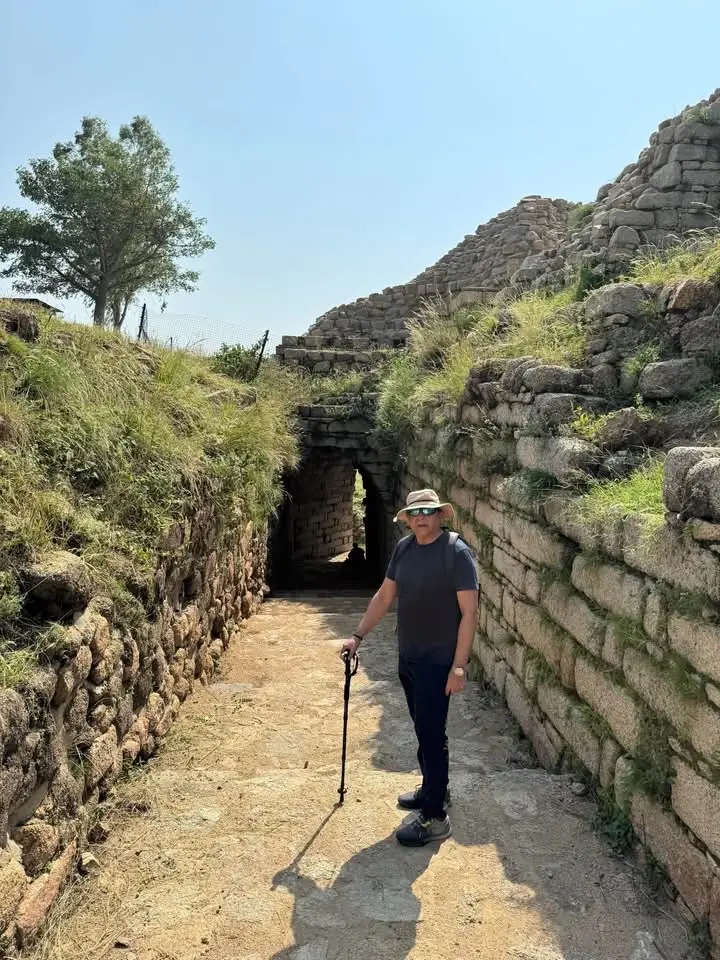
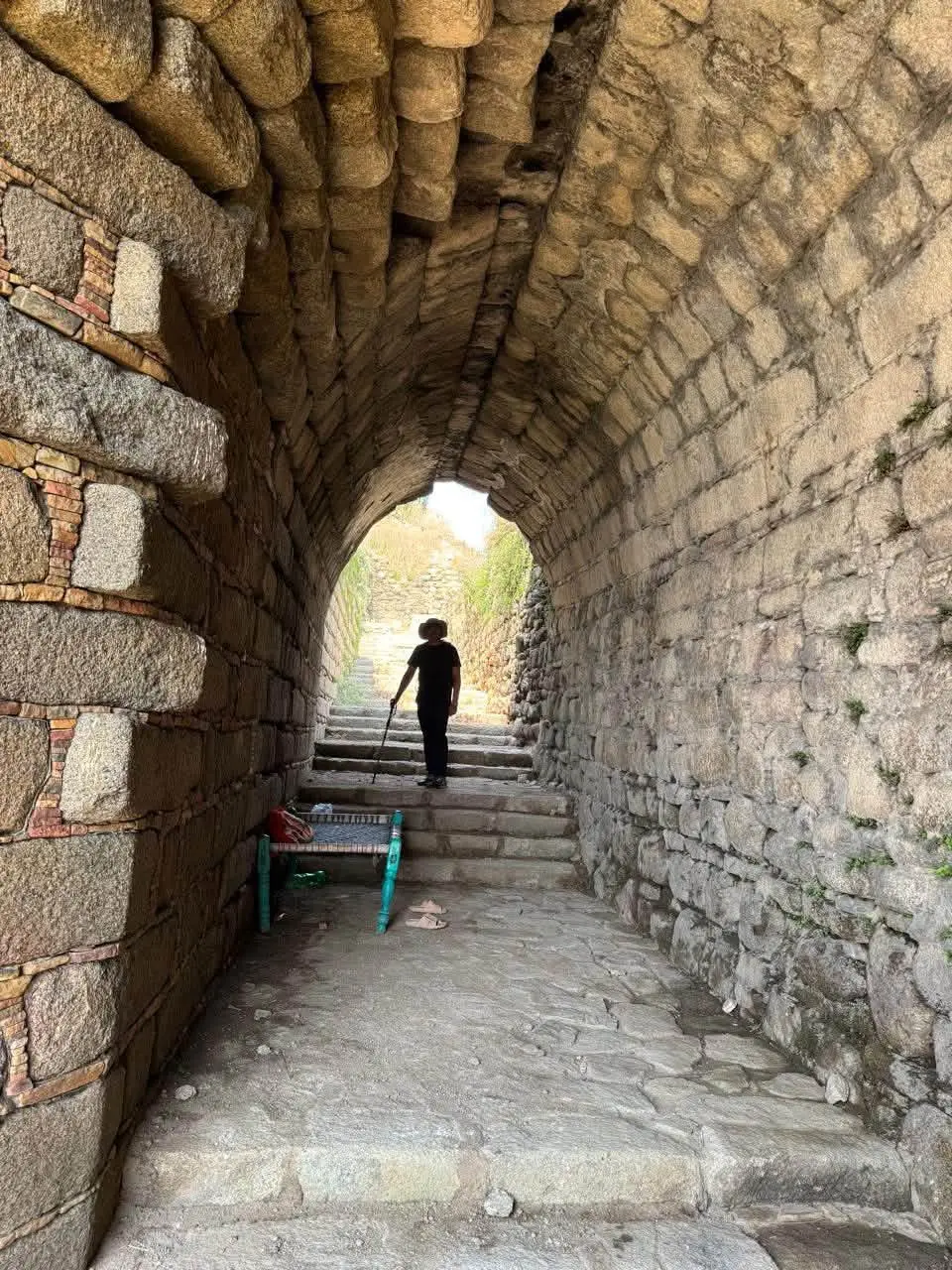
The place gets its name—Rani meaning Queen and Ghat in Pashto meaning stone, so Queen’s Stone. Many stories exist amongst locals. One of the most interesting is that a Jinn fell in love with the Queen and, when she did not marry him, fooled her and she was turned into Rani Ghat. The locals also call it Kafir Kot. As we reached the top, now this is an elaborate site. We reached a big stupa with a tunnel passing through it to reach the top. I was reminded of such architecture, probably on Lisbon Fort and Florence, where musicians are playing different instruments for alms, but here it was wilderness. The guard had his charpoy, probably the best place for a room. As we reached the top, I liked the breathtaking views all around, and true to Buddhism! I kept walking and wanted to reach the hanging stone, but after some time, the area of jurisdiction finished with a fence! The government is still trying to acquire the whole area. Lately, a granite quarry has been closed as it could damage the stone.
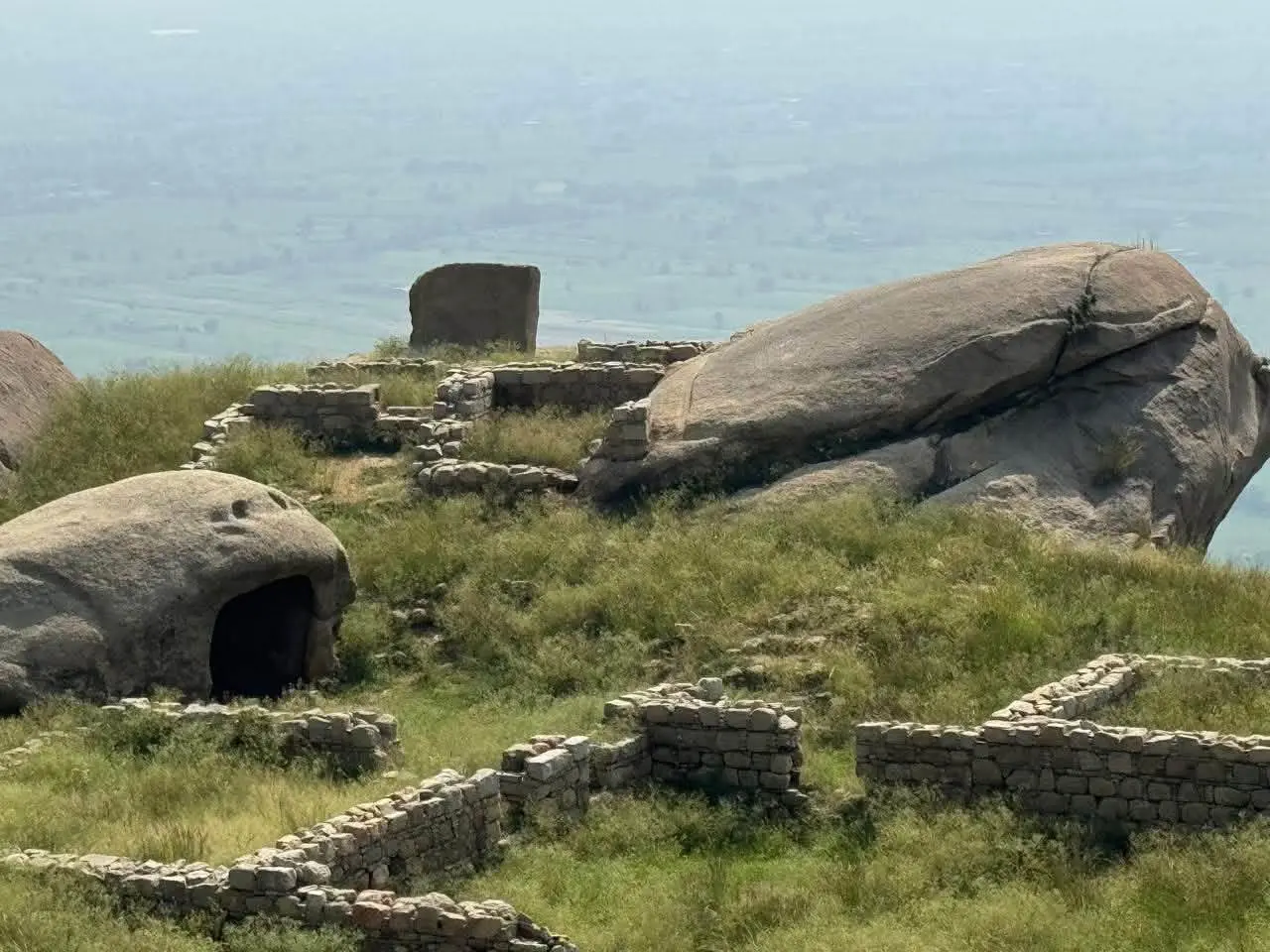
Looking around, the area resembles Takht-i-Bahi. The main stupa is huge, with a unique egg-like stupa inbuilt in it. It has places for 34 votive stupas. Mostly, the stones are square, not rectangular, and the walls also look beautiful. I think hardly 30 percent has been excavated. Two of the most interesting things I noticed were the stone shelters—these were huge stones carved into rooms—and, down below, wells which fill with rainwater. The main monastery and room of the head monk are at the beginning.
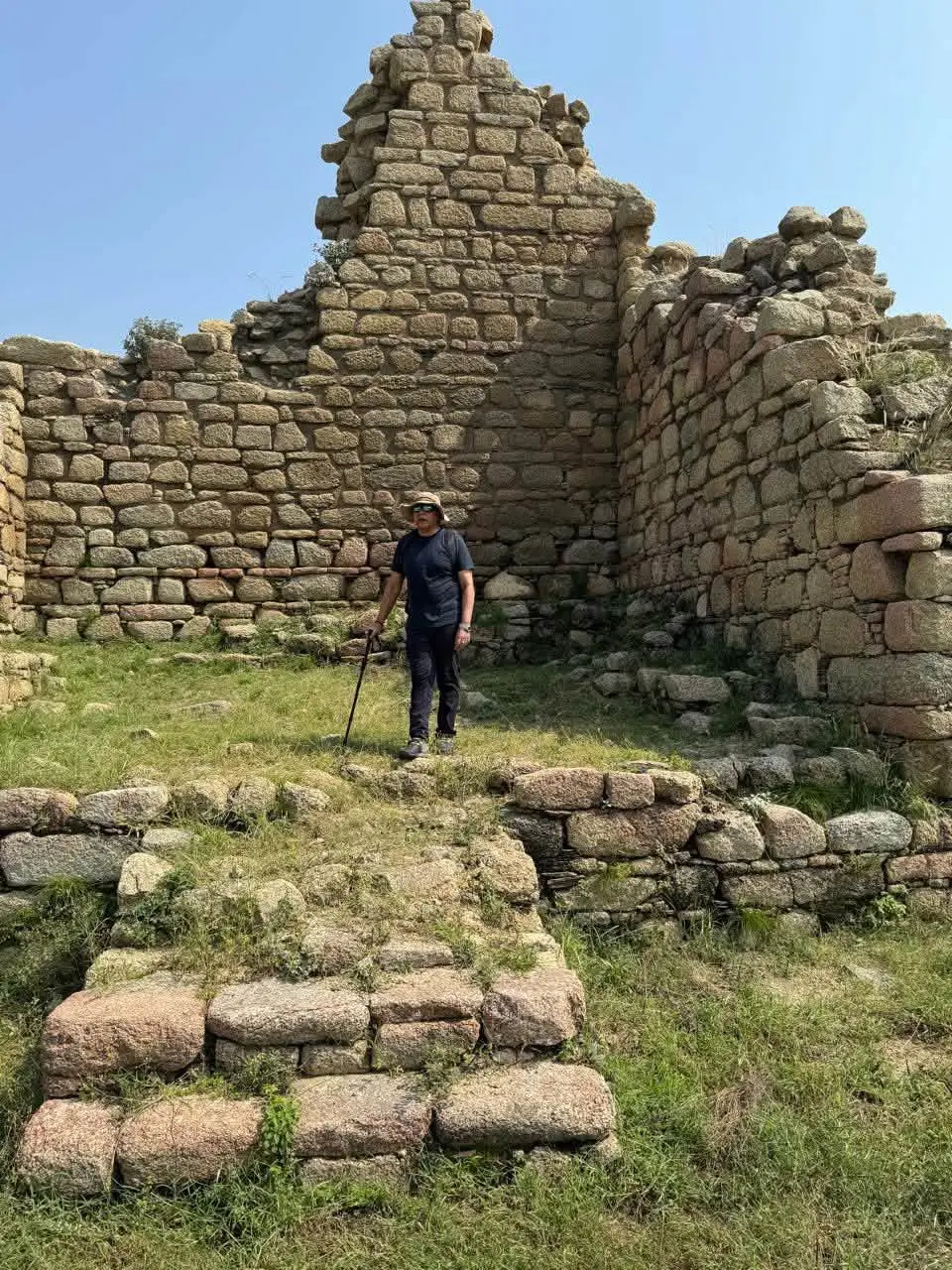
The major excavation was done by Kyoto University, Japan, from 1983 to 1992—imagine the importance! They published two volumes on it. The antiquities of Rani Ghat are lying in Taxila Museum, as archaeology was a federal subject then. As far as the history of Rani Ghat is concerned, it starts from the 1st century BC to the 5th century AD, meaning life here for six centuries. Many dynasties passed by during this time. From numismatic evidence, it starts from the Scytho-Parthian to the Sassanian period, including coins from the Kushan to Hindu Shahi sculptures. The place has again been notorious for the illegal trade of artefacts. It covers an area of 272 kanal, while around 100 kanal, including the stone of Rani Ghat, is under process.
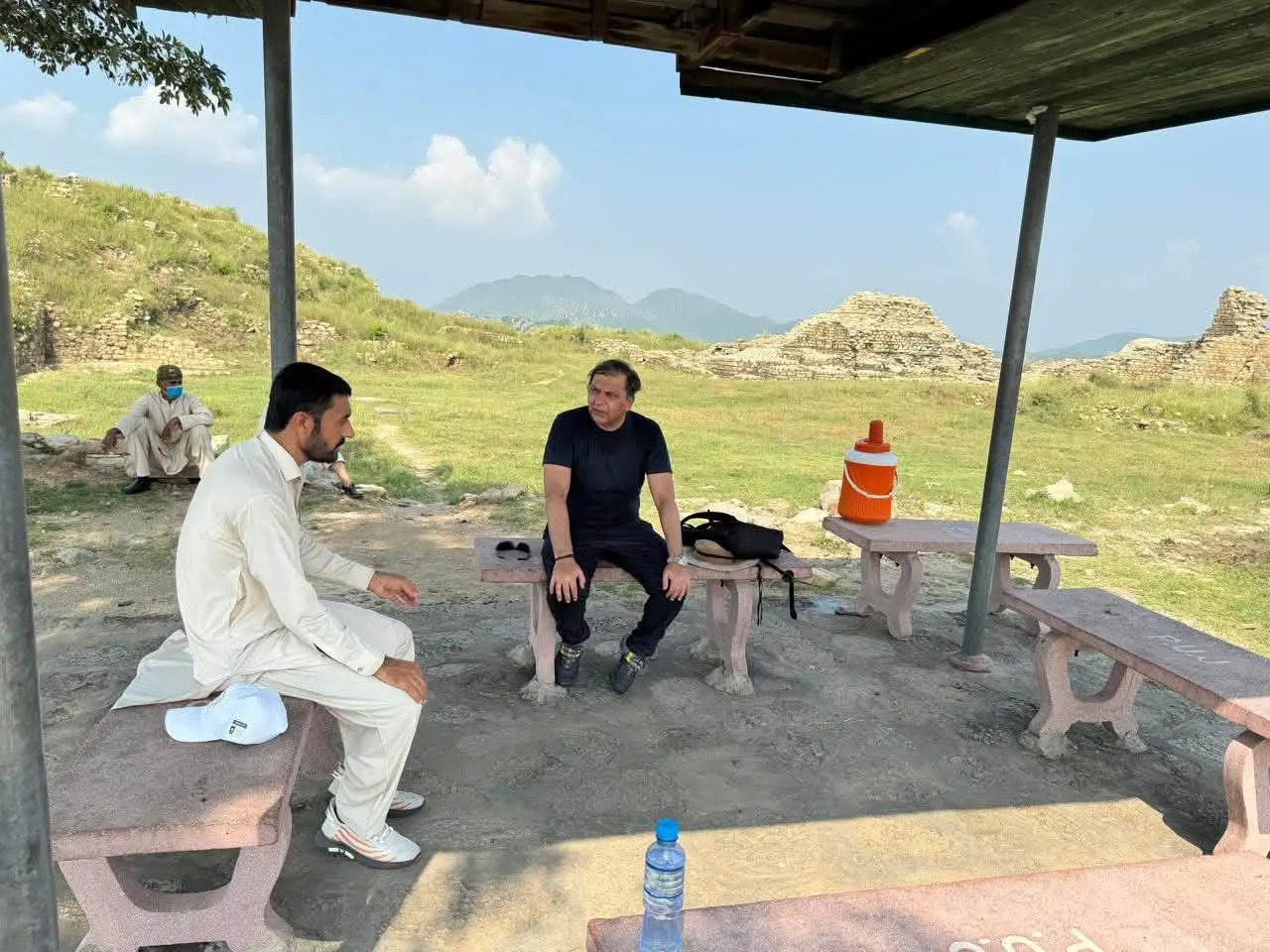
Sitting under the only paper mulberry tree and shed made probably by the Japanese, I asked how many foreigners visit this place and when was the last visit. It has now been a couple of years since Thai Buddhists visited—around 55 of them—but now the government does not issue NOC. The irony is that we have such huge potential for Buddhist tourism, and it’s not that we don’t know, but we are victims of circumstances. DG Archaeology had told me that they have plans to create facilities here! What is needed is excavation and management; it can change the face of the area if tourists come.
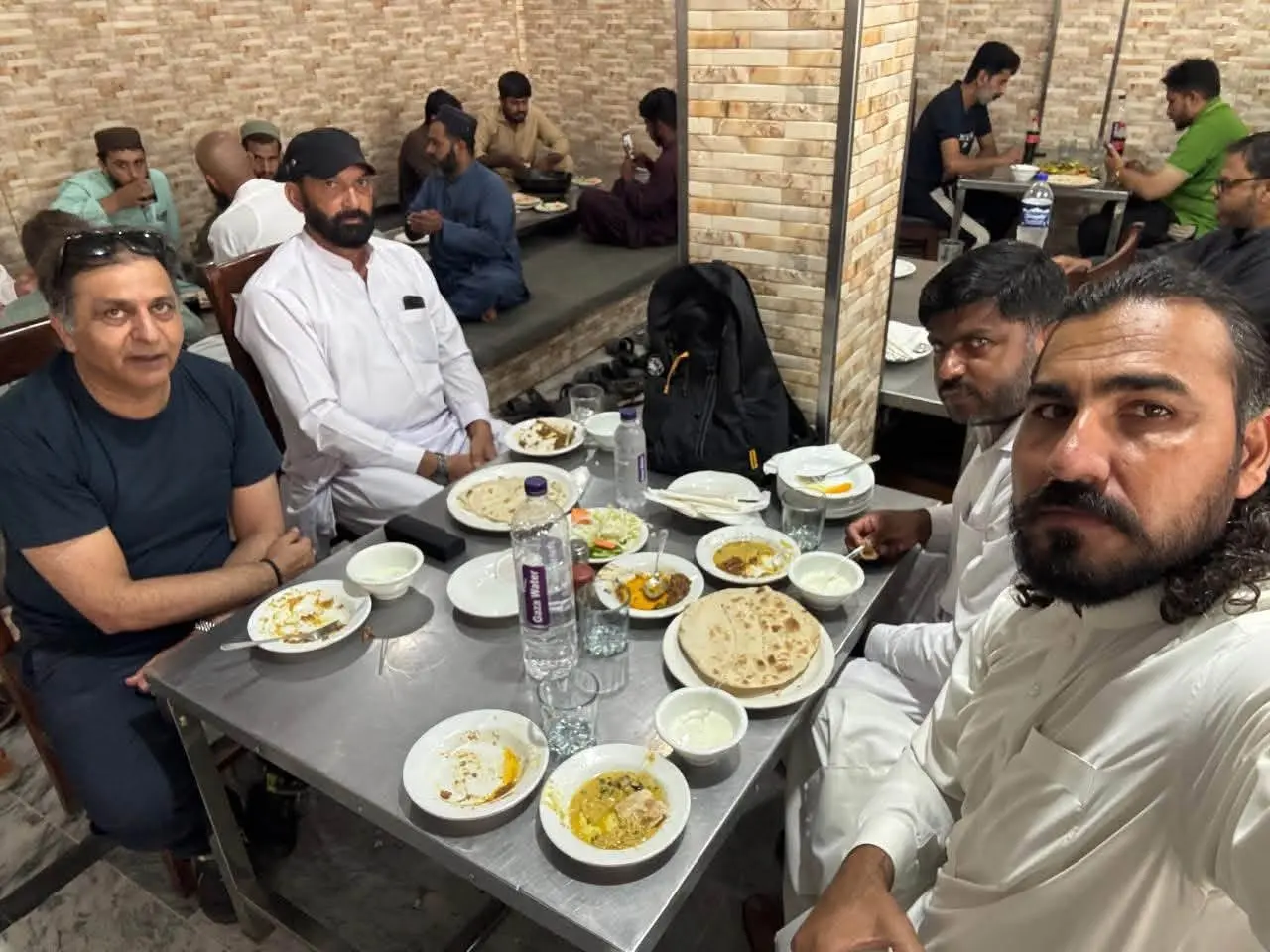
After descending, we said goodbye to the host and left for home. My partners were hungry; I could not say no and stopped at Mian Jee to have lunch before returning back home. I think it’s an adventure worth taking, a matter of a few hours from anywhere, Islamabad or Peshawar. At least our children need to see and understand. A Sunday well spent.