
By Lt Gen (R) Sardar Hasan Azhar Hayat
MD Pakistan Land Port Authority
Ex. MD Green Tourism Pvt. Ltd
I wonder how many of us understand a Sufa, yes what immediately comes to mind is Ashab e Sufa where companions of Prophet (PBUH) use to live in Masjid Nabvi. I believe the name originated from there but also found in Hebrew. In my personal know how this was used in times of Mughals and aristocratic families as a room or living quarters for women. Perhaps much akin to drawing room of today with a courtyard where Zanana or women folk could feel their freedom and move without veil and usually with a courtyard in front. In my research could not find much literature on it but Sufas were found in some places in Potohar like Bagh e Sufa in Kalar Kahar. Wah village still maintains some beautiful living Haveli’s, would be writing on them but here would like to introduce last of Sufas belonging to Sardar Abdul Rashid Khan RIP who happens to be my Khalo but much elderly and now in lineage with his grandchildren.
This is story of a beautiful Sufa in village which was a Haveli of Ahmed Khan my maternal great grandfather or may be older, I have vivid reminder of another Sufa in childhood as well, which is no more now but you can find carved wooden pillars preserved in couple of houses in my cousins houses. Basically wood crafting, stone walls and murals on walls give it such an elegant look. We do find some door carvings and pieces being sold in many places on road side in Pakistan mostly from Swat, but actual Sufas are hard to find.
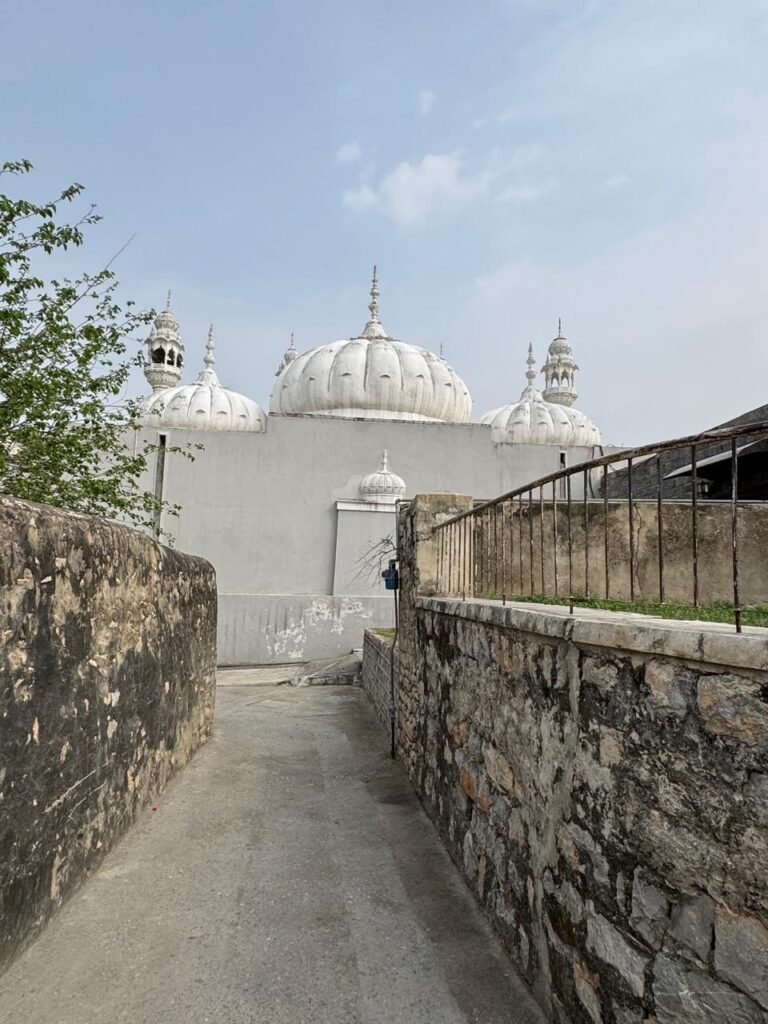
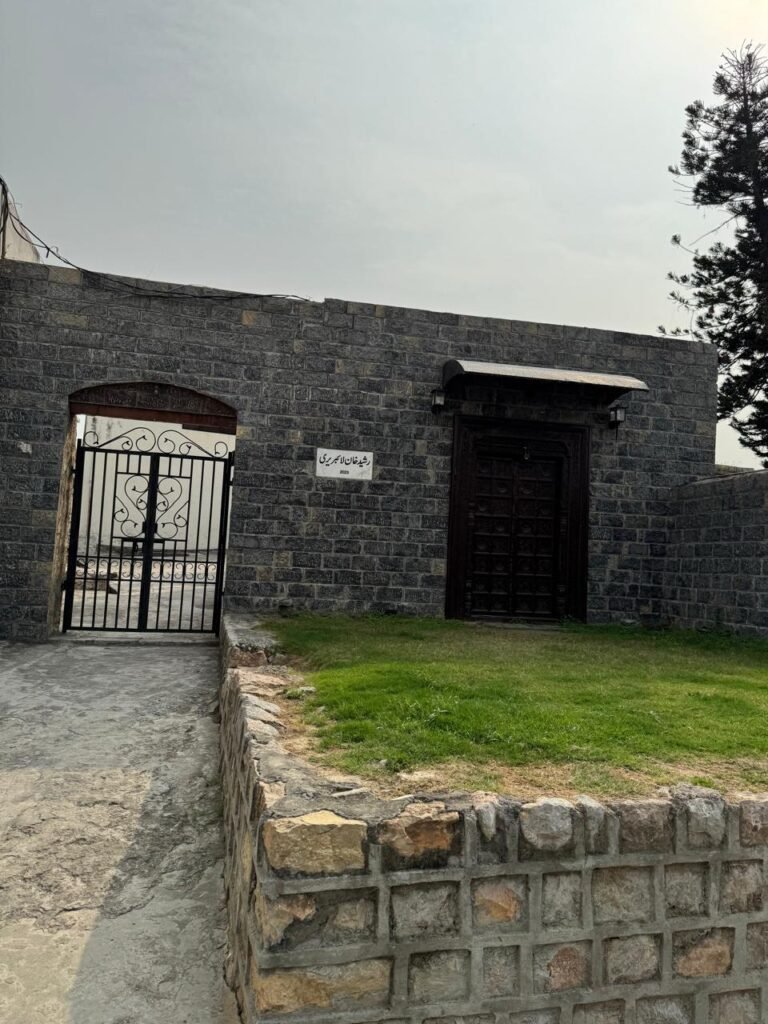
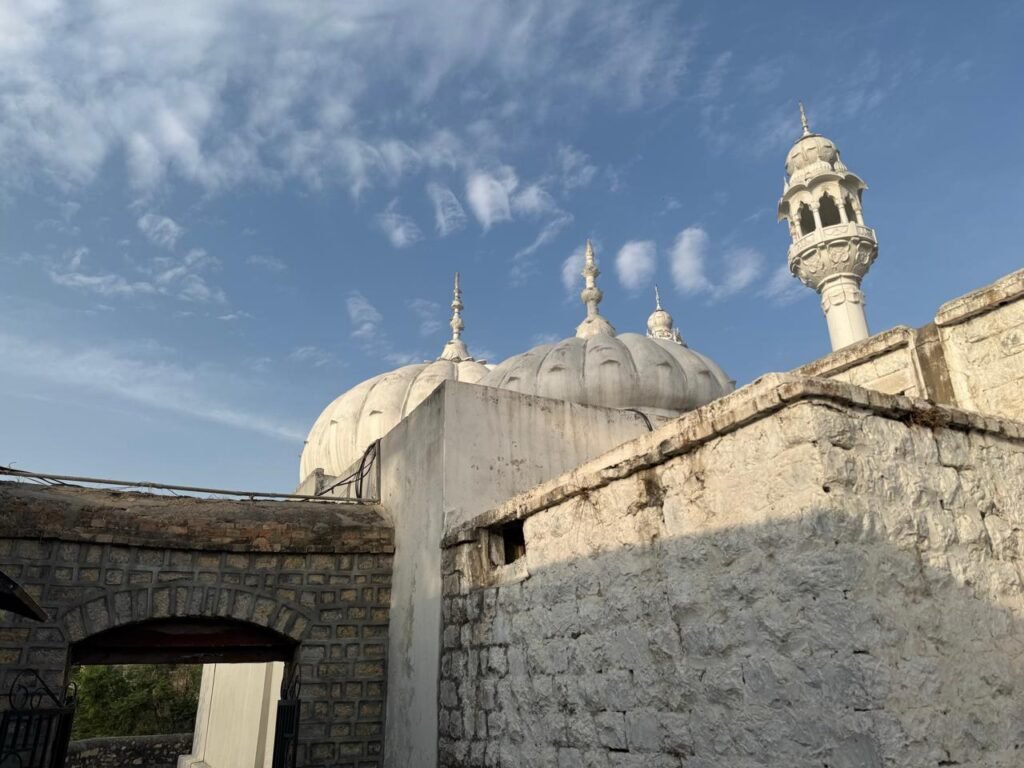
Usually in Potohar such Sufas have an adjacent men’s quarter called Dahdi this Sufa also has one converted into a small public library by me and approx 300 years old mosque also exists built in same timeframe, this we intend renovating post Eid. PerSe lno Haveli was complete without a Sufa, a mosque, a Dahdi and a Tarbela (animal holding area including horses).
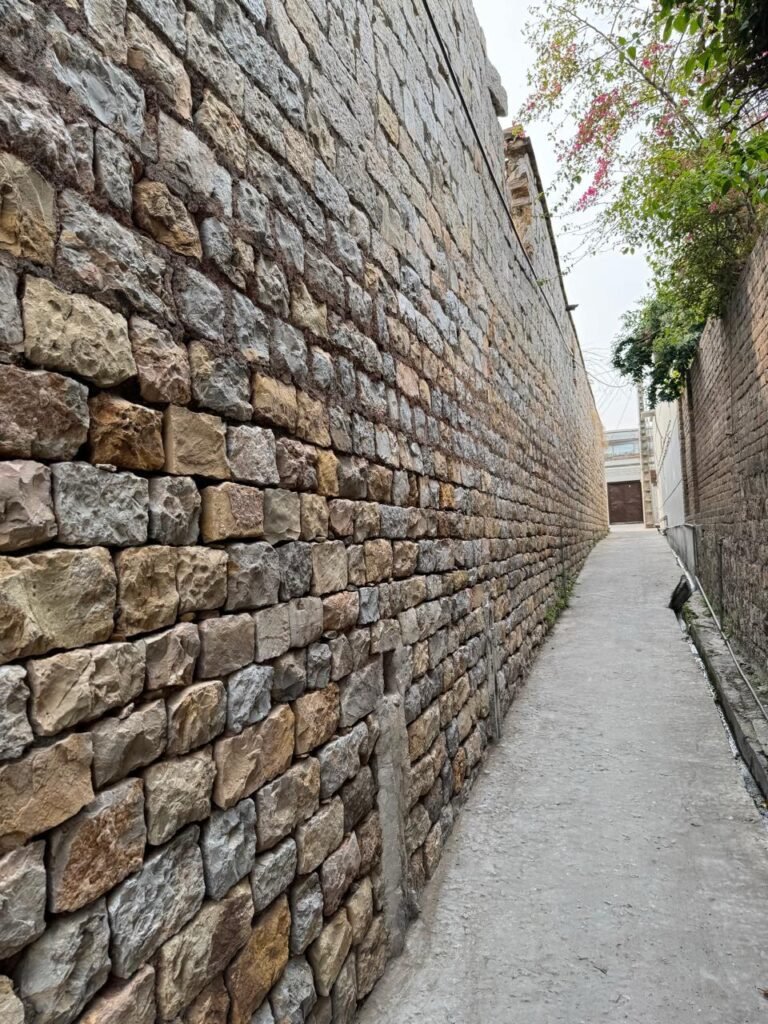
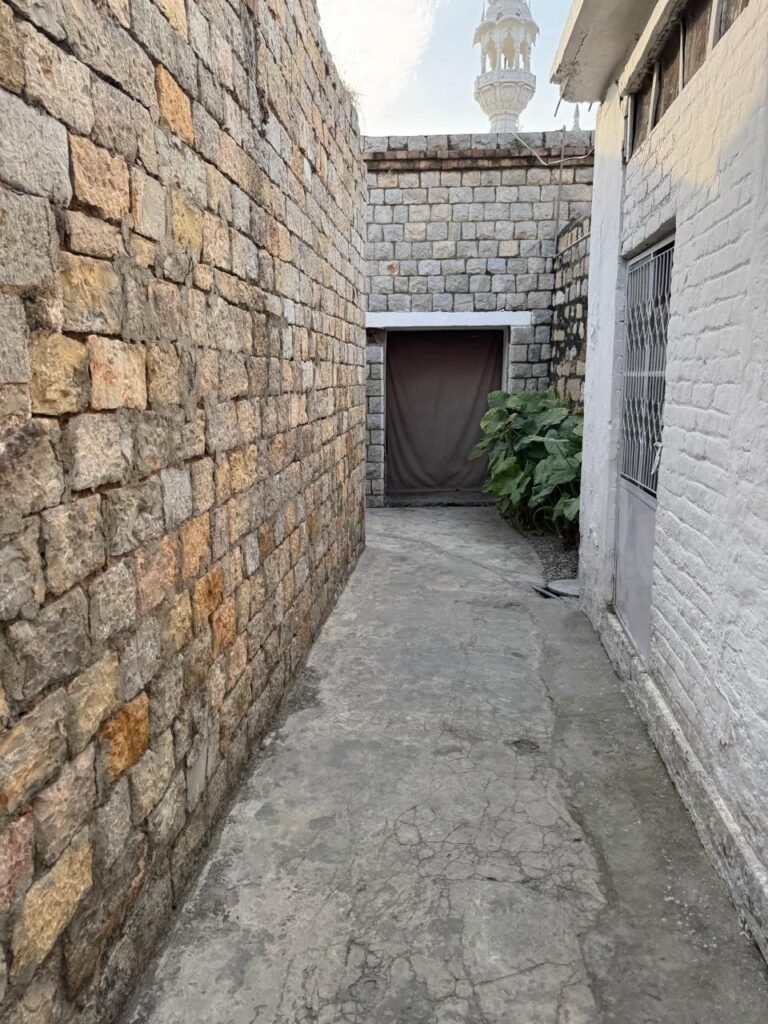
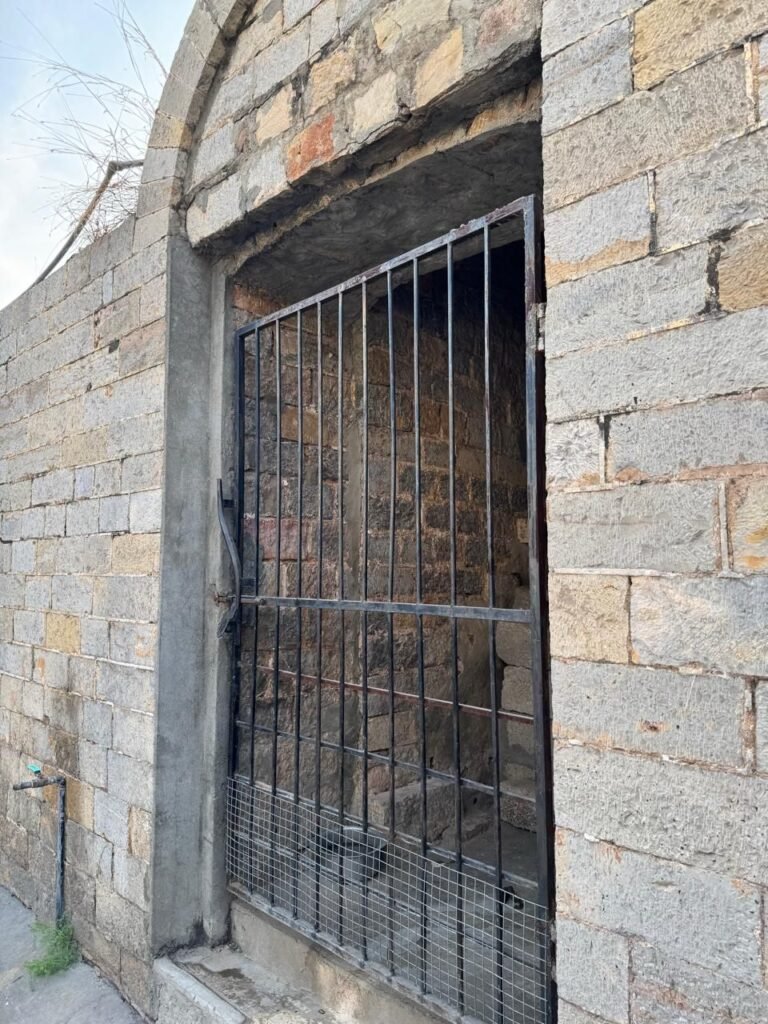
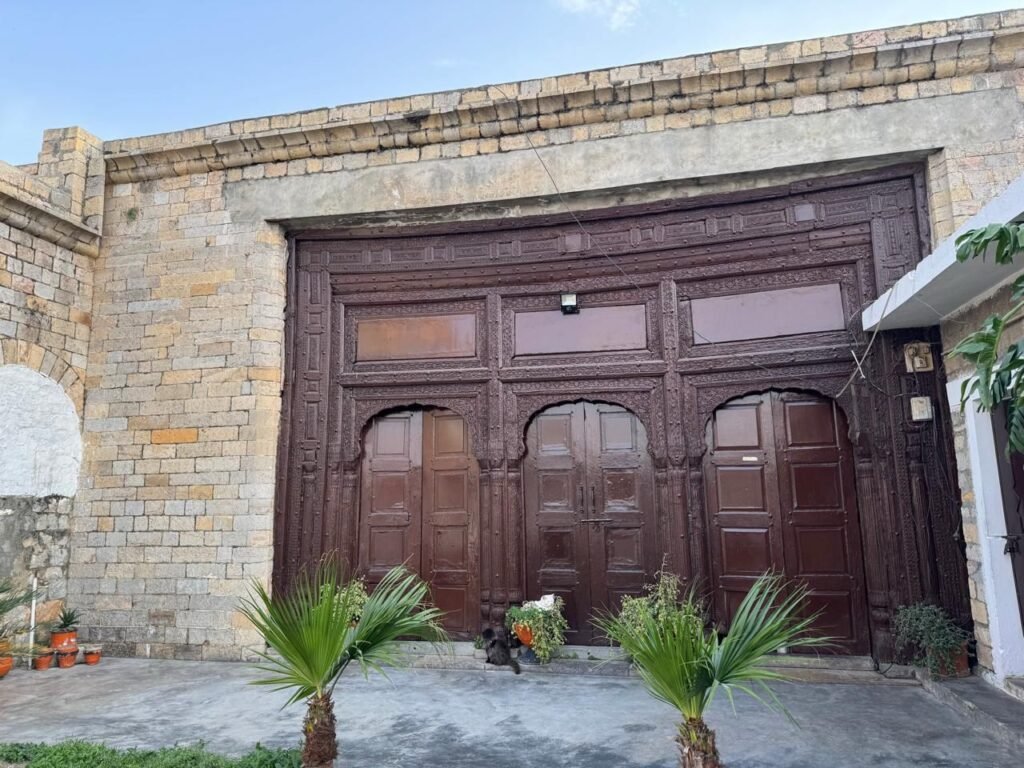
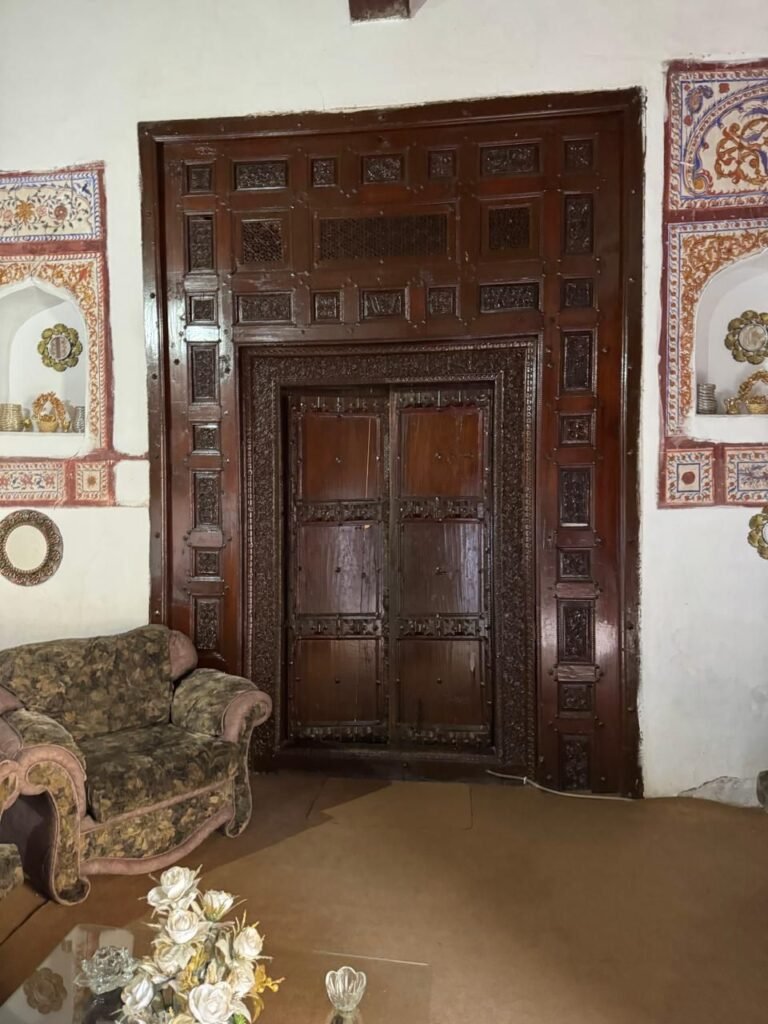
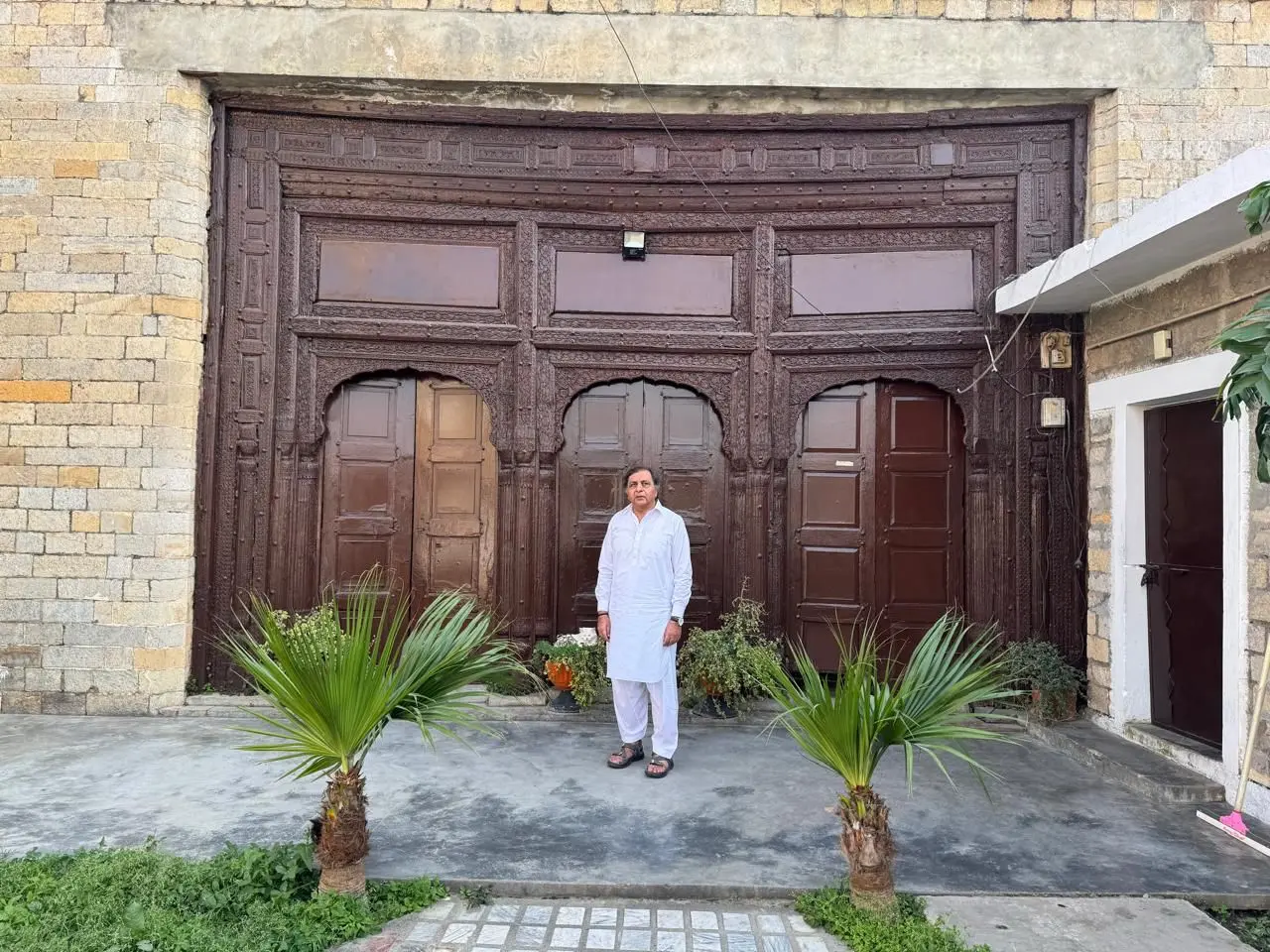
As you walk into small ally into village you will find stone masonry, we get impressed and go to as far as Europe to see that but in our own country many villages still have them and Wah village is historic enough to retain in many parts. As you enter into the gates of Haveli into a Dhadi now library, is made in a way that is welcoming to street, so open anyone can walk in, as you move inside, you can have a feel of privacy with passage shrinking and suddenly opening into a courtyard, here you attention goes on eye catching wooden doors of Sufa! One is amazed to see how it is sustained over 300-400 years with beautiful Kashmiri carving on doors and sides. One could find a lean on the door which means it is sinking inbetween. It’s not one door but combination of doors ideal for ventilation.
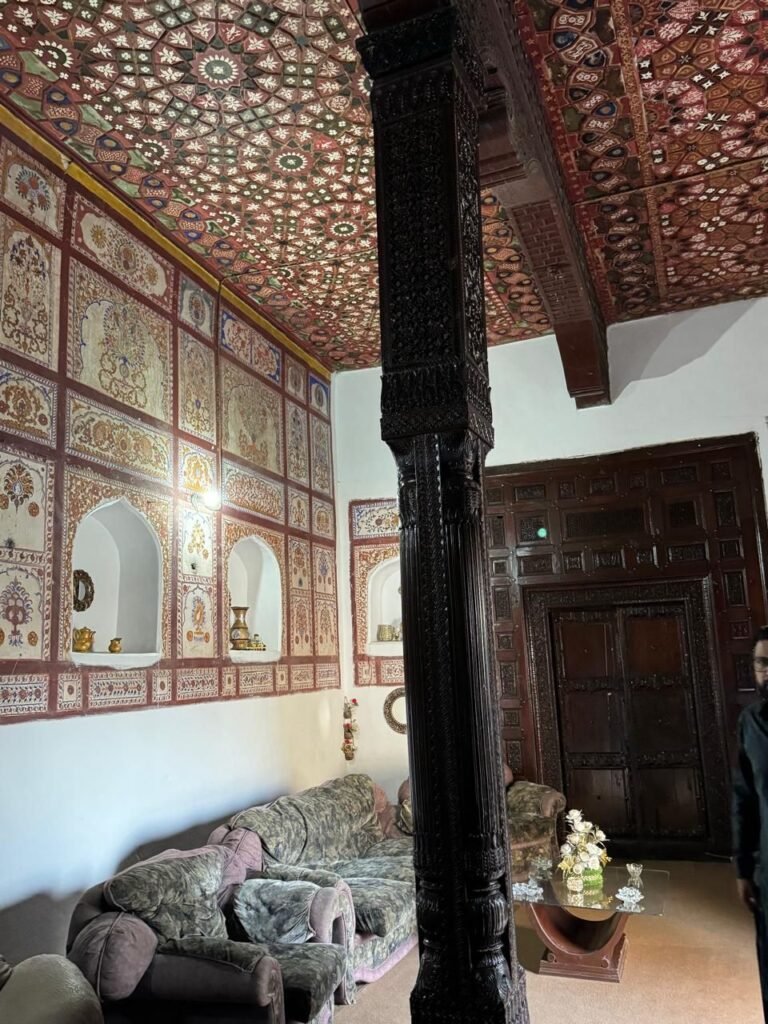
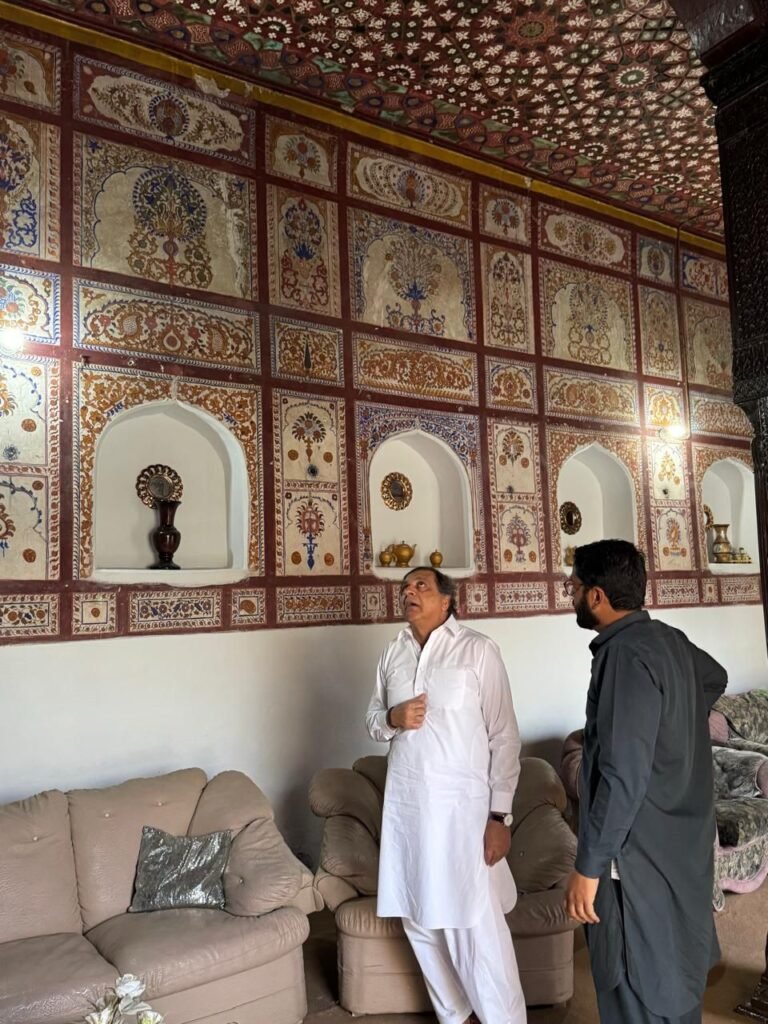
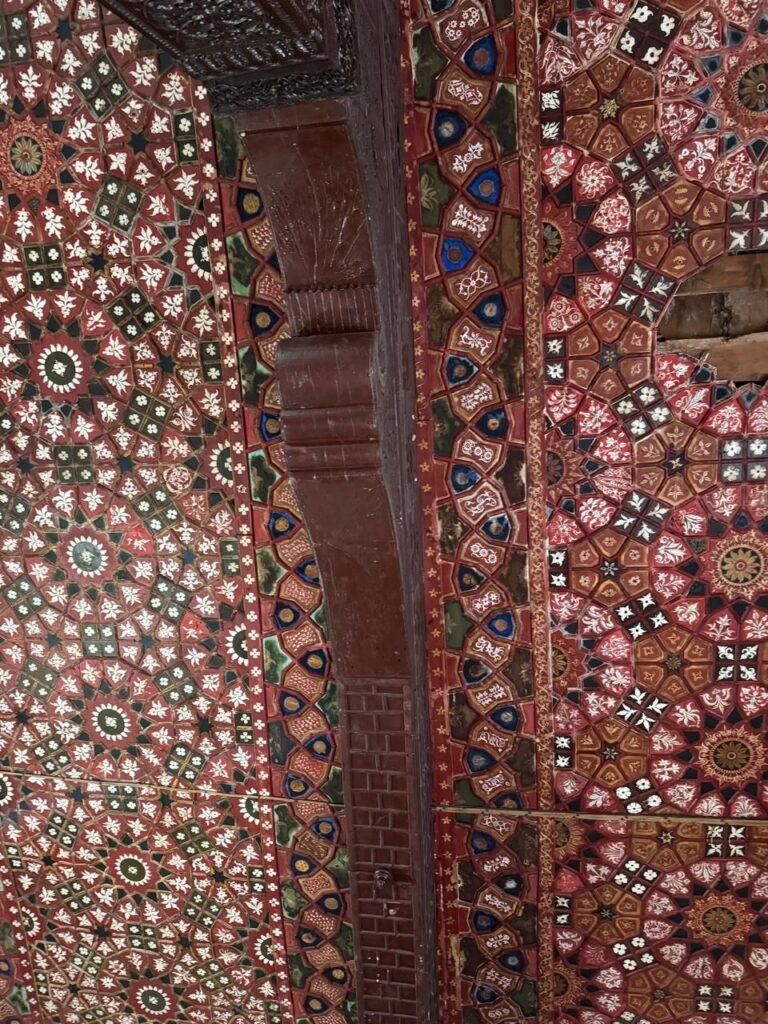
As you enter Sufa you are amused to see the murals they have been preserved in multicolours with red dominating others and beautiful carved wooden pillars going to the roof strong enough to sustain. A spacious room with neshes and two carved doors on sides leading to living rooms, the roof is stunning it is mud roof which keeps it cool besides openable doors it seems someone has painted the roof but actually these are tiles in patterns resting on wooden planks, one could see cracks in it! My cousin living there tells me it’s curving inward and need a special handling to fix it.
The last of Sufa is standing and needs attention and special expertise, I had shown it to some conservationalist in past ! We can’t fix it at our own it needs special handling and we don’t have such masonry or expertise – it’s an open request to any NGO, Agha Khan heritage foundation or archeological department to help preserve it, less it falls down. Our focus is usually on cities where counties like Norway and Germany help but what treasures exists in our cultural villages is little known. I thought to pen down my story the last of Sufas in Wah village.